
Tag: SEO Services Malaysia

  • How to Fix Ecommerce SEO Product Pages

    How to Fix Ecommerce SEO Product Pages

    A product page can have the right product, a fair price, and solid margins – and still fail in search.

    That usually happens because the page was built to display inventory, not to win visibility. Search engines need clearer signals. AI systems need structured context. Shoppers need confidence fast. If even one of those is missing, the page underperforms.

    For most stores, ecommerce SEO product pages are not failing because of one major issue. They are losing traffic through dozens of smaller gaps: weak titles, copied descriptions, thin content, missing schema, poor internal links, slow media, or pages that do not match search intent.

    This is where a stronger SEO framework matters. Product page optimization is not about stuffing keywords into a template. It is about building a page that search engines can interpret, AI systems can cite, and buyers can act on.

    What makes ecommerce SEO product pages rank

    Strong product pages send clear relevance signals at every layer. The URL, title tag, H1, body copy, image context, schema markup, review content, and internal links should all support the same entity and search intent.

    That does not mean every page needs long copy. In some categories, users want fast specifications, pricing, and shipping details. In others, they need comparisons, use cases, sizing help, or proof that the product solves a specific problem. The right format depends on the product type and how people search.

    A page for a branded SKU behaves differently from a page for a generic category-leading product. If someone searches for an exact model number, they usually want precision, availability, and trusted store signals. If they search for a broader commercial phrase, they may need more education before buying. Treating both cases the same is a common mistake.

    Start with search intent, not just product data

    Many product pages are generated from a catalog feed. That is efficient for operations, but weak for SEO.

    Catalog data tells you what the item is. Search intent tells you why someone is looking for it.

    That difference shapes the page. If users are searching with terms like “best running shoes for flat feet,” they are not looking for a raw SKU page with two lines of manufacturer text. They need fit guidance, support features, material details, and maybe comparison cues. If they search a model name, they need quick confirmation that your page is the right result.

    This is why keyword mapping should happen before on-page optimization. One product page should target one primary intent cluster, then support it with semantically related terms. That creates stronger topical relevance and avoids cannibalization across similar products.

    Write product copy that helps rankings and conversions

    Thin product descriptions are one of the biggest weaknesses in ecommerce SEO product pages.

    Manufacturer copy is usually duplicated across dozens of stores. Even when duplicate content does not trigger a penalty, it gives Google no reason to rank your page above competitors. It also gives AI systems little original language to reference.

    Useful product copy does three jobs at once. It explains the product clearly, supports the search intent behind the page, and reduces friction before purchase.

    What strong product content should include

    A good product page usually needs a concise value-focused introduction, key features written in plain language, technical specifications, and practical buying details such as dimensions, compatibility, materials, shipping, warranty, or returns.

    In many cases, it also helps to add short sections on who the product is for, common use cases, and what makes it different from similar options. That added context supports conversion and creates more indexable relevance.

    The trade-off is length. Too little content weakens rankings. Too much can bury the buy button and hurt conversion. The balance depends on the product, price point, and buyer journey.

    Optimize the core on-page elements

    The basics still matter because they shape how search engines interpret the page and how users respond in results.

    Title tag and meta description

    The title tag should lead with the primary product term or model, then include a meaningful modifier if relevant. Keep it readable. Forced keyword variations make pages look low quality.

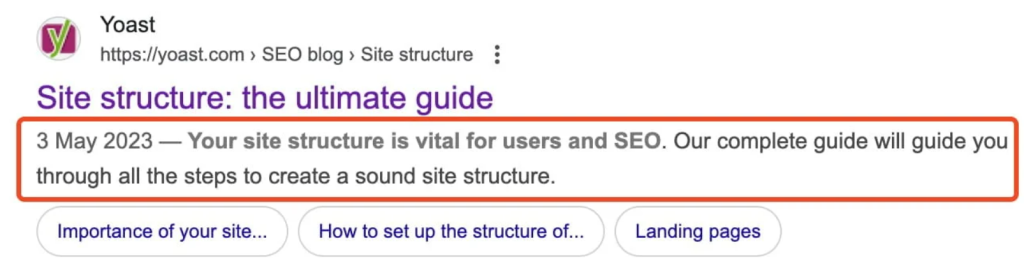
    Meta descriptions do not directly drive rankings, but they affect click-through. Focus on clarity, stock relevance, and buyer value.

    H1 and URL

    The H1 should match the page topic naturally. The URL should be short, descriptive, and stable. Changing URLs repeatedly creates unnecessary SEO risk unless there is a real structural problem to solve.

    Image optimization

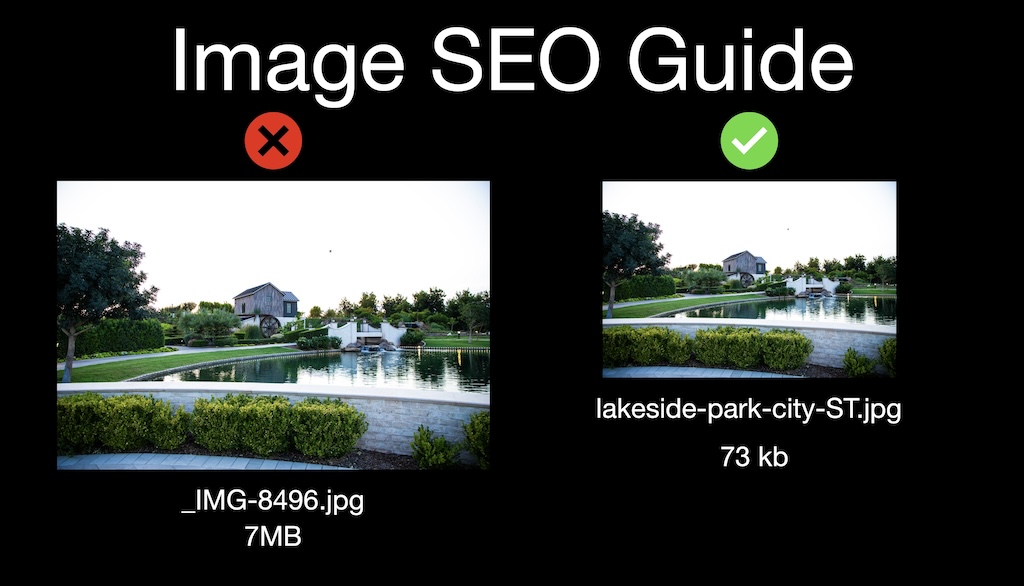
    Product images support both SEO and conversion. Compress them for speed, use descriptive file names, and write alt text based on what is actually shown. Alt text is not a place to force keywords. It should help search engines and accessibility tools understand the image.

    Add structured data for richer search understanding

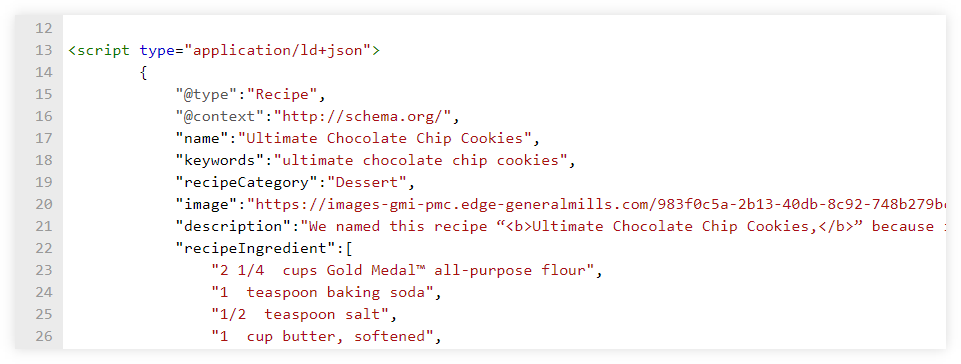
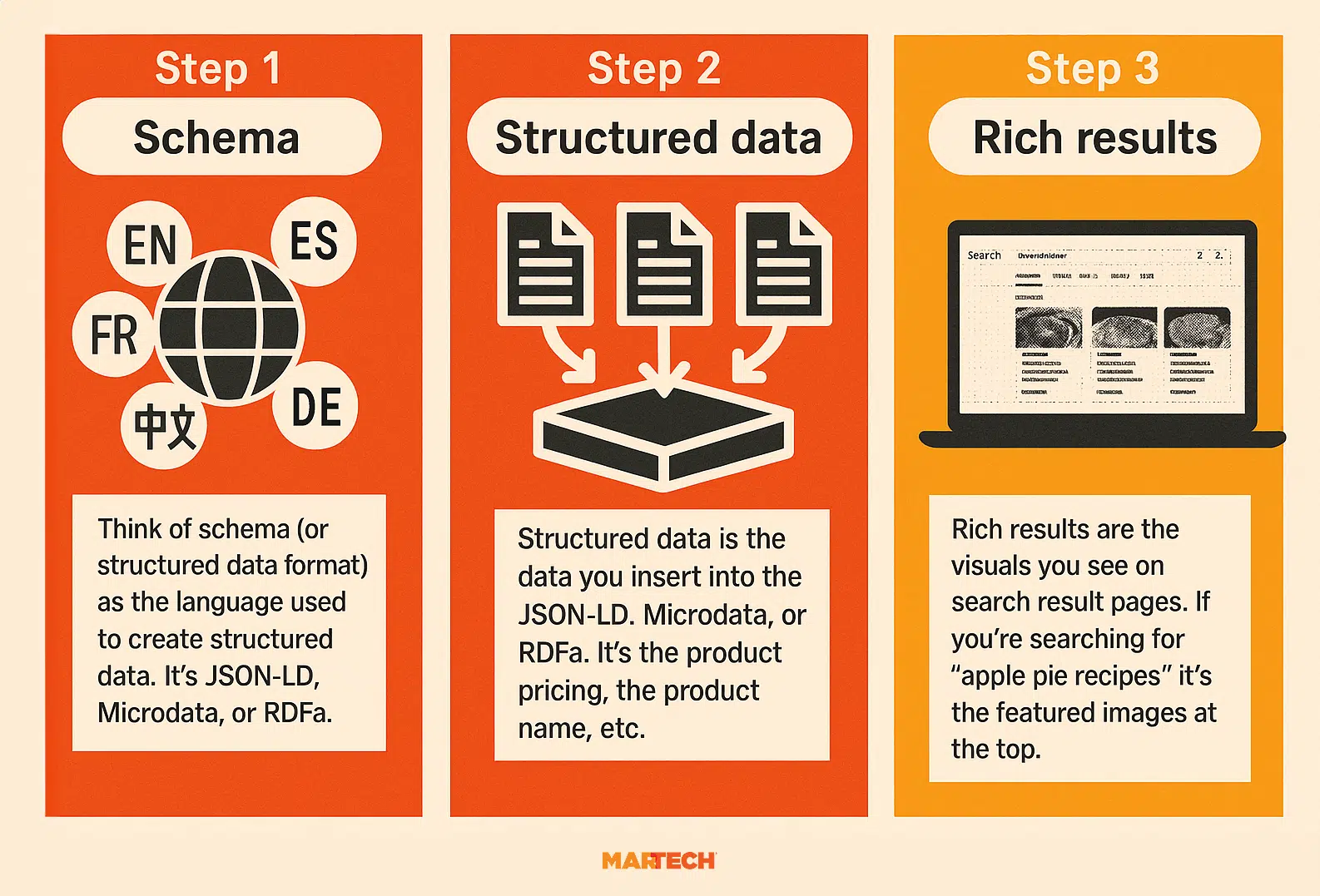
    Schema markup gives search engines machine-readable context about the product. It can support eligibility for rich results and improves content clarity for AI systems.

    For most stores, Product schema is the baseline. Depending on the page, Review, AggregateRating, Offer, Brand, and FAQ-related markup may also apply.

    This is one area where technical accuracy matters. Invalid, misleading, or incomplete schema does not help. Markup should reflect visible page content and current product data such as price, availability, and review information.

    Entity-based SEO also becomes important here. Clear brand references, product attributes, and category relationships help search engines connect your page to known entities. That improves interpretation beyond basic keyword matching.

    Internal links and site structure matter more than most stores think

    A product page rarely ranks well in isolation.

    Its performance is shaped by the category structure, breadcrumb trail, related product modules, and the supporting content around it. If your internal linking is weak, authority does not flow efficiently through the site.

    Category pages should link to priority products with context. Product pages should connect back to relevant categories and, where useful, to adjacent products or buying guides. This improves crawl paths and helps users move naturally through the funnel.

    If your store has blog content, use it strategically. Informational content should support commercial pages, not compete with them. A guide about product selection should reinforce the target product or category pages through clear internal linking and intent alignment.

    Technical issues can quietly suppress product page rankings

    Many ecommerce teams focus on copy and ignore the technical layer. That is where rankings often stall.

    Slow page speed, JavaScript-rendering issues, faceted navigation problems, duplicate URLs, poor canonical setup, and out-of-stock handling can all weaken product visibility. Large stores are especially vulnerable because these issues scale fast.

    Common technical problems on product pages

    • Duplicate pages created by filters, variants, or tracking parameters
    • Missing or incorrect canonical tags
    • Thin pages generated for unavailable or discontinued products
    • Weak mobile performance due to oversized images or heavy scripts
    • Orphaned products with no meaningful internal links

    The right fix depends on platform setup. Some stores need template-level updates. Others need crawl controls, stronger canonical logic, or a revised category architecture. There is no single checklist that fits every ecommerce site.

    Reviews, trust signals, and UX affect SEO indirectly

    Search engines care about user satisfaction, even if they do not measure it in simplistic ways.

    When users land on a page and quickly bounce because it lacks reviews, shipping details, return info, or clear product information, that page is less competitive. Better trust signals often improve engagement, conversion, and overall page quality.

    This is especially true for high-consideration products. If buyers need reassurance, give it early. Reviews, FAQs, warranties, and clear policies reduce hesitation. They also add useful indexable content when implemented well.

    For AI visibility, structured and well-labeled trust content matters too. Systems that summarize products look for explicit signals, not vague marketing claims.

    Measuring success on ecommerce SEO product pages

    Higher rankings matter, but they are not enough.

    A product page should be evaluated by organic impressions, click-through rate, non-brand keyword growth, conversion rate, assisted revenue, and how well it captures the intended query set. Sometimes a page gains traffic but attracts the wrong audience. That is not a win.

    The best optimization work connects SEO performance with commercial outcomes. That means looking at which pages deserve deeper investment, which pages should be consolidated, and which should be supported by stronger category or content hubs.

    At Creative Site, this is where technical SEO, search intent mapping, and GEO strategy come together. Product pages should not only rank in Google. They should also be structured well enough to be understood, surfaced, and cited in AI-driven search experiences.

    FAQ

    How long does it take to improve product page rankings?

    It depends on site authority, competition, technical condition, and how many changes are being implemented. Some pages improve within weeks, but stronger movement often takes a few months.

    Should every product page have unique content?

    Yes, where possible. The level of uniqueness can vary, but every important product page should have original copy that adds value beyond manufacturer text.

    Is schema enough to rank product pages?

    No. Schema supports understanding, but it does not replace intent alignment, strong content, internal linking, and technical health.

    A product page should do more than sit in your catalog. It should earn visibility, answer intent, and make the next action easy. When those pieces work together, SEO becomes part of sales performance, not a separate task.

  • Search Intent Keyword Mapping That Works

    Search Intent Keyword Mapping That Works

    A page can rank, pull traffic, and still fail the business.

    That usually happens when the keyword looks right, but the intent is wrong. You target a high-volume phrase with a service page when users want a guide. Or you publish a blog post for a term that clearly signals buying intent. The result is familiar – impressions without clicks, clicks without leads, and content that never quite pulls its weight.

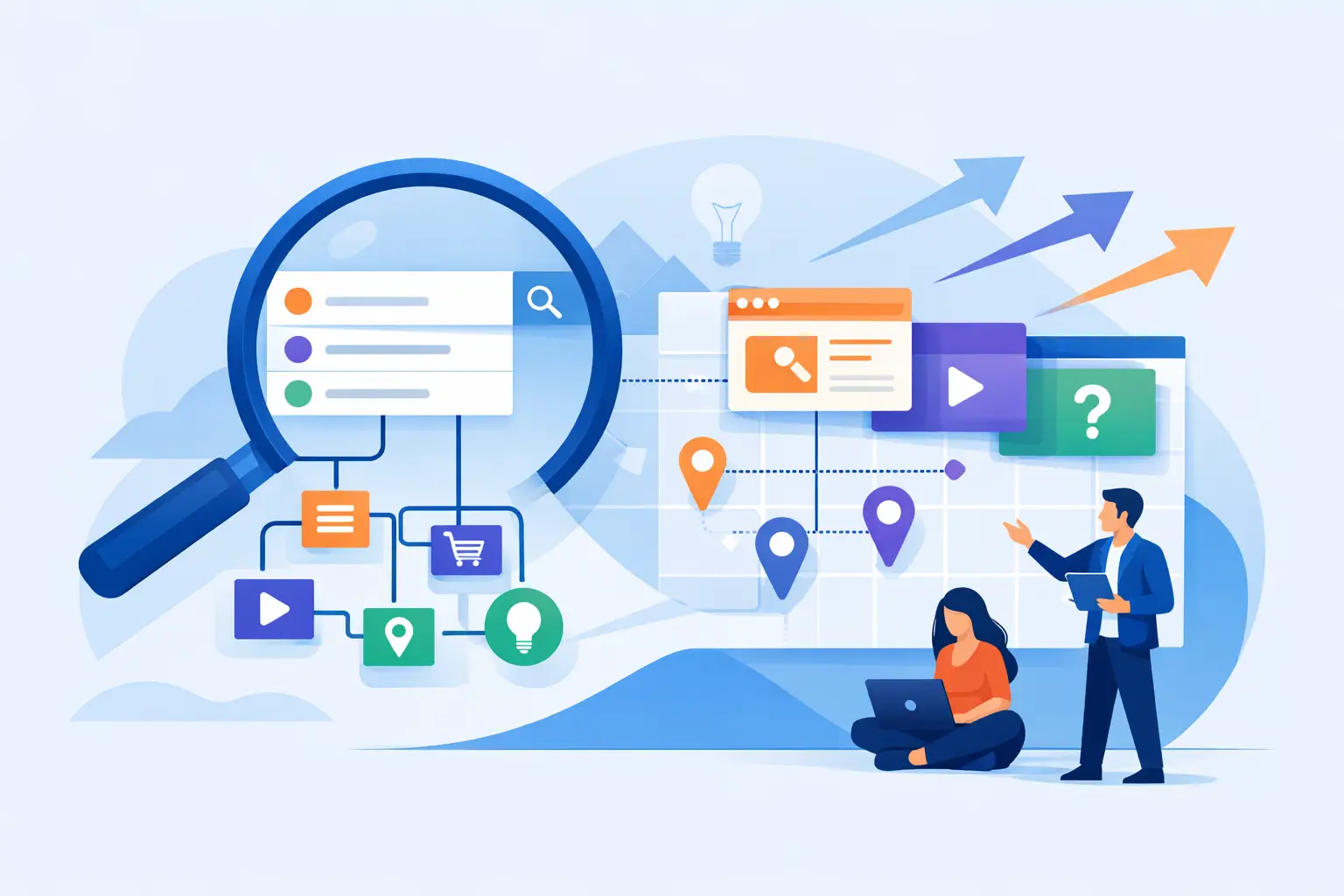
    Search intent keyword mapping fixes that. It connects each keyword cluster to the right page type, the right content structure, and the right business goal. For companies that want measurable SEO performance, this is where strategy stops being theoretical and starts affecting rankings, lead quality, and conversion rate.

    What search intent keyword mapping actually means

    Search intent keyword mapping is the process of assigning keywords to specific pages based on what the searcher is trying to achieve. That sounds simple, but in practice it sits at the center of modern SEO.

    A keyword is not just a phrase with search volume. It carries a likely expectation. Someone searching for “best CRM for small business” is usually comparing options. Someone searching for “CRM implementation services” is much closer to action. Those two queries should not be forced onto the same page just because they share a topic.

    Good mapping asks three questions at once. What is the user trying to do? What page format does Google already reward for that query? And how does that query support the business – awareness, lead generation, product discovery, or direct purchase?

    This is also where entity-based SEO and AI visibility start to matter. Search engines and AI systems do not only read keywords. They interpret relationships between topics, pages, services, and brands. If your content architecture is built around clear intent, those relationships become easier to understand and easier to surface.

    Why search intent keyword mapping matters more now

    Search has changed. Rankings are no longer won by publishing isolated pages around loosely related phrases. Google evaluates usefulness, page satisfaction, topical depth, and how well a result fits the likely need behind the query. AI-driven discovery adds another layer. Structured, intent-aligned content is easier to interpret, cite, and summarize.

    For small to mid-sized businesses, this matters because wasted content is expensive. A poorly mapped site often produces three avoidable problems.

    First, pages compete with each other. Two or three URLs target similar terms with no clear distinction, so none of them perform consistently. Second, the wrong page ranks. A blog article may show up for a commercial keyword, then fail to convert because it was never designed to. Third, content gaps remain hidden. The business assumes it has covered a topic because it has written about it once, but the site still lacks pages for comparison intent, transactional intent, or local intent.

    Intent mapping reduces that waste. It gives each page a role.

    The four intent types are useful, but not enough on their own

    Most SEO discussions group keywords into informational, navigational, commercial, and transactional intent. That framework is helpful, but it becomes more useful when applied with context.

    Informational intent usually fits blog articles, guides, glossary pages, and educational resources. Commercial intent often belongs to comparison pages, category pages, service pages, or product roundups. Transactional intent fits product pages, quote-request pages, demo pages, and conversion-focused service pages. Navigational intent tends to align with brand pages or specific destination pages.

    But real search behavior is messier than neat labels suggest. A query like “SEO agency pricing” has informational elements, but it also carries commercial intent. A phrase like “best website design company for dentists” looks like research, yet the user may be very close to contacting a provider. That is why SERP analysis matters. The search results tell you how Google interprets the blend of intent.

    If the first page is dominated by service pages, do not force a blog post into that space. If the results are mostly guides and comparisons, a hard-sell landing page is unlikely to perform well.

    How to map keywords to the right pages

    The practical process starts with clustering, not individual keywords. One page should usually target a primary keyword and a set of close variations that share the same intent. If you map every variation to a separate URL, you create thin content and internal competition.

    Start by grouping terms by topic. Then separate those groups by intent. A local service business, for example, might end up with one cluster for broad service intent, another for city-based searches, another for pricing questions, and another for educational content. These are not the same page.

    Next, assign the right page type. Service intent belongs on service pages. Local modifiers belong on location pages if there is genuine local relevance. Research-phase queries fit blogs, guides, and comparison content. Product-focused searches belong on product or category pages.

    Then validate against the SERP. This step is often skipped, and it is where weak strategies fall apart. If your chosen page type does not match what is already ranking, you need a stronger reason than “we want it to convert.” Search engines reward fit before preference.

    Finally, define the conversion role of the page. Not every page should push for the same action. An informational article may aim for newsletter signup, internal click-through, or brand trust. A service page should move visitors toward inquiry. Mapping works best when SEO and conversion strategy are connected from the start.

    What a strong keyword map looks like in practice

    A strong map is not a giant spreadsheet for its own sake. It is a working framework that connects keyword clusters, intent, URL targets, page type, internal links, and business goals.

    For example, a web development agency might map “eCommerce SEO services” to a core service page, “eCommerce SEO pricing” to a pricing or consultation page, “how eCommerce SEO works” to an educational blog, and “Shopify SEO vs WooCommerce SEO” to a comparison article. Same broader topic, different search expectations.

    This structure improves more than rankings. It improves user flow. Someone who finds the educational article can move naturally to the service page. Someone who lands on the comparison content can be guided toward consultation once they understand the trade-offs. That is strategic architecture, not random publishing.

    Common mistakes that weaken search intent mapping

    The biggest mistake is treating search volume as the main decision-maker. High-volume keywords are attractive, but they can become expensive distractions if the intent does not align with your offer or your current authority.

    Another common problem is mapping multiple intents to one page. Businesses often want a single URL to educate, compare, sell, rank nationally, rank locally, and answer FAQs all at once. In some cases a page can support blended intent, but usually that approach makes the page unfocused.

    There is also the issue of copying competitors too literally. Competitor analysis is useful, but it should inform strategy, not replace it. If another site ranks with a certain format, you still need to ask whether that format fits your brand, your offer, and the conversion path you want.

    And then there is the technical side. Even well-mapped content underperforms if the site structure is weak, internal links are inconsistent, schema is missing, or crawl paths are messy. Intent mapping is powerful, but it works best on a technically sound website.

    Search intent keyword mapping and AI visibility

    This is where many businesses are still behind.

    AI search systems rely on clarity. They look for well-structured content, clear relationships between entities, and pages that answer specific needs without confusion. If your site has overlapping pages, vague targeting, or mixed signals about what each URL is meant to do, visibility suffers.

    Search intent keyword mapping helps create cleaner signals. It tells search engines which page is the authority for a topic, which page handles comparison intent, which page supports local discovery, and which page is built for direct action. That makes your content easier to retrieve, summarize, and recommend.

    For brands investing in long-term search performance, this is no longer optional. It is part of building a website that is structured for Google and designed for AI visibility.

    When to fix your keyword map

    If your site has declining conversions despite stable traffic, this is worth reviewing. If blogs are ranking but service inquiries are weak, the map may be attracting the wrong visitors. If several pages bounce around for the same keyword set, cannibalization may be the issue. If new pages keep getting published without a clear role, the site is probably accumulating SEO debt.

    A proper review often reveals that the problem is not effort. It is alignment.

    At Creative Site, this is typically handled alongside technical SEO, on-page structure, and content planning because mapping in isolation only solves part of the problem. The page still needs the right build, the right internal links, and the right content depth to perform.

    Search intent keyword mapping is not glamorous work. It is disciplined work. But it is one of the clearest ways to turn SEO from scattered activity into a system that supports rankings, qualified traffic, and real business outcomes. If your website is attracting attention but not producing enough value, the next win may not come from more content. It may come from giving each page a clearer job.

  • What Search-Optimized Website Development Means

    What Search-Optimized Website Development Means

    A lot of businesses launch a new website and only ask about SEO after traffic stalls.

    That is usually where the problem starts.

    If the site structure is weak, pages are built without search intent, and technical basics are missed during development, SEO becomes slower, more expensive, and less effective later. You can still improve it, but you are fixing architecture instead of building momentum.

    Search optimized website development takes a different approach. It treats SEO as part of the build, not a layer added after launch. That changes how pages are planned, how content is mapped, how code is handled, and how the site communicates with search engines and AI-driven discovery systems.

    For growing businesses, that difference matters. A website should not just look credible. It should be structured to rank, support conversion, and give your brand stronger visibility across Google and AI search environments.

    What search optimized website development actually includes

    At a basic level, search optimized website development means your website is planned and built around how people search, how search engines crawl, and how users move toward action.

    That includes technical performance, but it goes further than speed or mobile responsiveness. A search-focused build starts with keyword and search intent mapping. It defines which pages need to exist, what each page should target, how topics connect, and where internal links should support authority.

    It also includes cleaner site architecture, crawl-friendly navigation, optimized heading structures, metadata planning, schema implementation, and content layouts that help both users and machines understand the page.

    The strongest builds now also consider entity-based SEO and GEO. That means your site is not only trying to rank for keywords. It is building clear signals around your brand, services, locations, products, and topical relevance so search engines and AI systems can interpret your business with more confidence.

    Why development decisions affect rankings later

    Many SEO problems are really development problems in disguise.

    If your site uses bloated code, weak URL structures, duplicate page patterns, poor internal linking, or JavaScript-heavy elements that interfere with crawling, rankings can struggle even when the content is decent. The same applies when service pages are too thin, category structures are unclear, or the site forces important content below tabs, sliders, or scripts that search engines may not prioritize well.

    This is why design-first websites often underperform. They may look polished, but they are not always built for discoverability. A visually strong site is useful. A visually strong site with weak search foundations creates a ceiling.

    That does not mean every website needs to be stripped down for SEO. It means design, UX, and technical SEO need to work together. Sometimes there is a trade-off. For example, advanced animation may improve brand perception but hurt load performance. A large menu may help navigation but dilute focus if it is poorly structured. The right answer depends on the business model, page goals, and how users actually search.

    The core parts of a search-first build

    A search-first website usually begins with planning, not templates.

    Search intent mapping

    Before pages are designed, each core service, product category, or business topic should be tied to a real search pattern. This helps prevent one of the most common mistakes in web development – building pages based on internal company language instead of how customers actually search.

    A good map separates informational, commercial, and transactional intent. It also avoids stuffing multiple unrelated keywords into one page. When intent is clear, pages become easier to rank and easier to convert.

    Site architecture and internal linking

    Search engines need a clean path through your website. So do users.

    That is why architecture matters early. Important pages should sit close to the homepage, related topics should cluster logically, and internal links should reinforce relevance instead of being added randomly later. For local businesses, this may include dedicated location pages. For eCommerce sites, it often means smarter category and filter structures that support discoverability without creating index bloat.

    Technical SEO in development

    Technical SEO is not just a post-launch checklist. It should be part of development standards.

    That includes crawlable navigation, proper canonical handling, clean redirects, XML sitemap logic, mobile-first responsiveness, page speed, image optimization, and heading hierarchy. It also means avoiding development shortcuts that create duplicate content, broken metadata patterns, or pages that are difficult for search engines to parse.

    A technically sound site gives every other SEO effort a better chance to work.

    Content structure and on-page signals

    Search visibility depends on more than placing keywords into headings.

    Pages need enough topical depth to match the query, but they also need clarity. Strong on-page structure uses concise sections, relevant subtopics, direct headings, meaningful internal links, and copy that aligns with what users want to know or do next. This is where search intent and conversion strategy need to meet.

    A page can rank and still fail if it attracts the wrong traffic or creates friction before inquiry or purchase.

    Schema and AI visibility

    Search is changing. Traditional rankings still matter, but they are no longer the only visibility layer.

    AI-driven search systems look for structured, trustworthy, well-organized information. Schema helps define entities and relationships more clearly. It does not guarantee visibility on its own, but it improves machine readability. Combined with strong content structure, clear brand signals, and topical consistency, it supports better interpretation across both search engines and generative systems.

    That is a practical reason to build for AI visibility from the start instead of treating GEO as a separate service later.

    What happens when SEO is added after launch

    Post-launch SEO is still valuable, but it often starts with cleanup.

    Pages may need to be rewritten because no keyword mapping existed. Navigation may need restructuring because key services were buried. Developers may need to revisit templates because metadata fields were missing or page speed is poor. In some cases, entire URL structures need correction, which creates redirect work and delays.

    This adds cost and extends timelines.

    It also creates performance lag. Instead of using the first months after launch to build authority and publish supporting content, the business is still correcting avoidable issues. That is why search optimized website development is usually more efficient than a redesign followed by a separate SEO fix phase.

    Who benefits most from search optimized website development

    This approach is especially valuable for service businesses, local brands, and eCommerce operators that rely on qualified traffic.

    If your website needs to generate leads, support local search visibility, or grow non-paid sales, search should shape the build. Businesses in competitive sectors feel this most clearly because weak foundations make it harder to close the gap later.

    It is also useful for companies planning long-term SEO support. Ongoing SEO performs better when the website already has a strong technical and structural base. Content strategy, local SEO, landing page expansion, and performance tracking all become easier when the site is built correctly from the beginning.

    What to look for in an agency or development partner

    If a web agency talks only about design, timeline, and launch, ask deeper questions.

    Ask how they plan site architecture around search intent. Ask whether technical SEO is handled during development or after launch. Ask how they approach schema, internal linking, metadata rules, content structure, and local or eCommerce SEO needs. If AI visibility matters to your market, ask how they think about entity-based SEO and GEO.

    The best answers are specific. They should explain process, trade-offs, deliverables, and realistic ranking expectations. Search performance takes time, and any agency promising instant results should be questioned.

    For businesses that want a website structured for Google and designed around search intent, the development phase is where the advantage starts. That is the model at Creative Site, where the build is treated as the foundation for rankings, conversions, and AI visibility rather than a design project with SEO added later.

    A better website starts before the homepage is designed

    The real value of search optimized website development is not that it makes a site more technical. It makes the site more purposeful.

    Every page has a role. Every section supports discovery, clarity, or conversion. And every development decision is tied back to how your audience searches and how your business grows.

    If your next website needs to do more than look good, build it so it can be found.

  • 7 SEO Predictions for 2026: What Yoast Experts Say You Must Do to Stay Visible

    7 SEO Predictions for 2026: What Yoast Experts Say You Must Do to Stay Visible

    SEO in 2026 Is No Longer Just About Rankings

    SEO in 2026 is changing faster than ever. Traditional SEO strategies that focus only on keywords, backlinks, and rankings are no longer enough to stay competitive. According to insights shared by Yoast experts, search engines are evolving into AI-driven discovery systems that prioritize clarity, trust, and machine understanding over pure ranking positions.

    In other words, SEO in 2026 is about visibility, not just rankings.

    AI-powered search experiences, structured data, and brand authority now determine whether your content gets surfaced, summarized, or ignored. If your website content is not easy for machines to understand, it won’t matter how well it’s written for humans.

    This article breaks down the 7 most important SEO predictions for 2026 — and what you must do today to future-proof your website.


    1. SEO Success Will Be Measured by Visibility, Not Rankings

    For years, SEO success was simple: rank on page one, preferably position #1.

    In 2026, that mindset is outdated.

    Search engines and AI systems no longer rely solely on blue-link rankings. Instead, they pull answers, summaries, and recommendations from content they understand and trust. This means your content can be visible without users ever clicking your website.

    What This Means for SEO:

    • Rankings are no longer the final KPI
    • Visibility includes AI summaries, featured answers, and recommendations
    • SEO strategies must focus on retrievability, not just traffic

    If AI cannot confidently interpret your content, it won’t use it — no matter how high it ranks.


    2. Structured Data Becomes a Core SEO Requirement

    Structured data has existed for years, but in 2026 it is no longer optional.

    AI-driven search engines depend heavily on schema markup to understand:

    • What your content is about
    • Who created it
    • How it relates to other entities

    Websites without structured data risk becoming invisible to AI-powered discovery systems.

    Key Structured Data Types to Prioritize:

    • Article & BlogPosting schema
    • Organization & Author schema
    • Product & Review schema (for eCommerce)
    • FAQ & How-To schema

    Think of structured data as machine-friendly context. Without it, your content is just text — and machines struggle with ambiguity.


    https://mangools.com/blog/wp-content/uploads/2021/10/structured-data-markup-example.png
    https://martech.org/wp-content/uploads/2025/06/structured-vs-schema.png.webp

    4

    3. Content Must Be Written for Humans and Machines

    In the past, long-form content often ranked well simply because it was long.

    In 2026, clarity beats length.

    AI systems evaluate:

    • Logical flow
    • Clear headings
    • Concise explanations
    • Easy summarization

    Content that rambles, repeats, or lacks structure will be skipped — even if it’s keyword-optimized.

    Best Practices for Machine-Readable Content:

    • One clear idea per section
    • Descriptive H2 and H3 headings
    • Short paragraphs (2–4 lines)
    • Bullet points where appropriate

    If an AI can summarize your article accurately in seconds, you’re on the right track.


    4. Rankings Still Matter — But as Authority Signals

    Don’t misunderstand: rankings are not dead.

    But in 2026, rankings act more as authority signals rather than end goals.

    High rankings indicate:

    • Trustworthiness
    • Topical authority
    • Historical consistency

    AI systems use these signals to decide which sources deserve to be referenced.

    How to Use Rankings Strategically:

    • Track rankings as diagnostic indicators
    • Focus on topical clusters, not single keywords
    • Build authority within a niche, not across everything

    Ranking well helps AI trust you — but trust is what drives visibility.


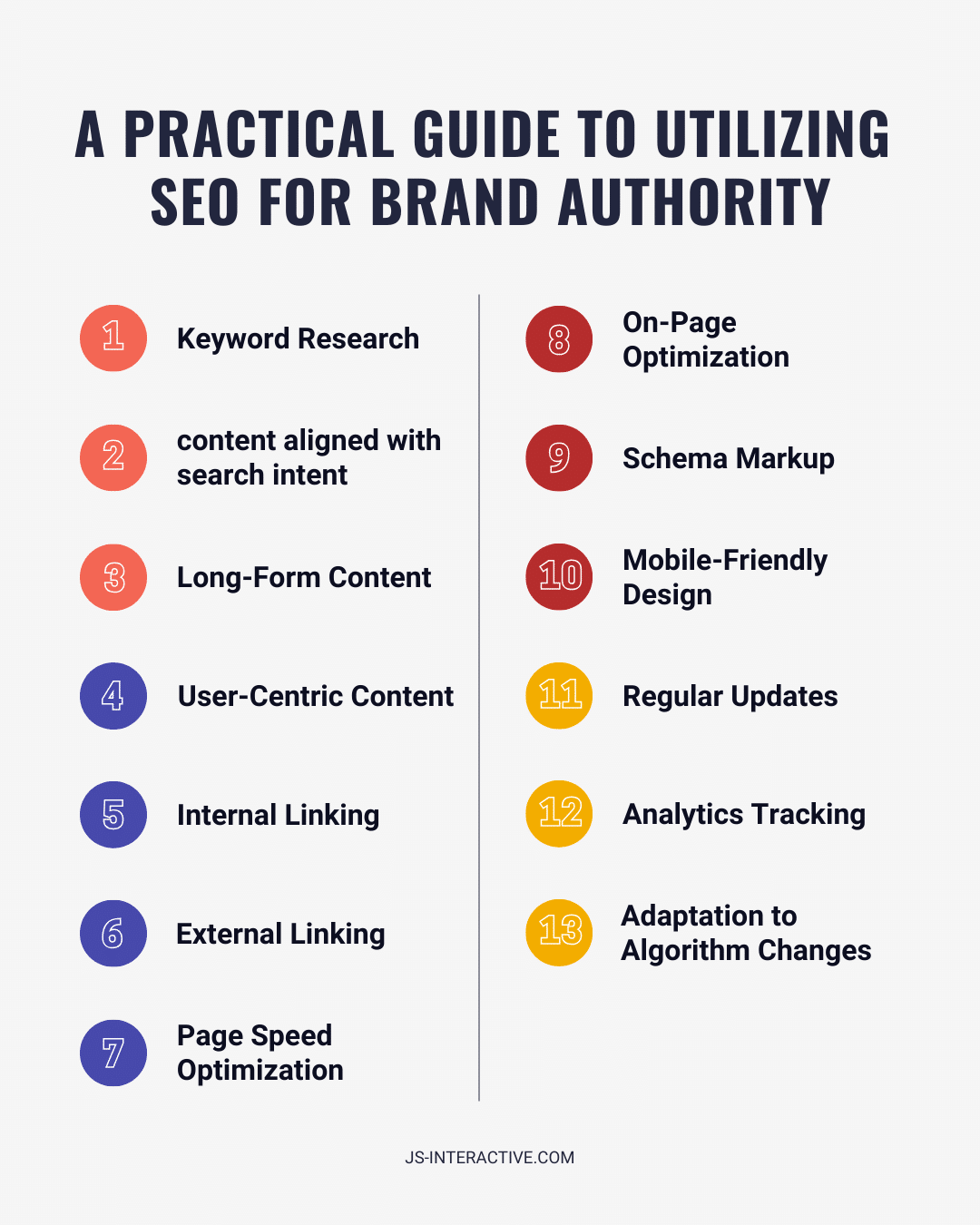
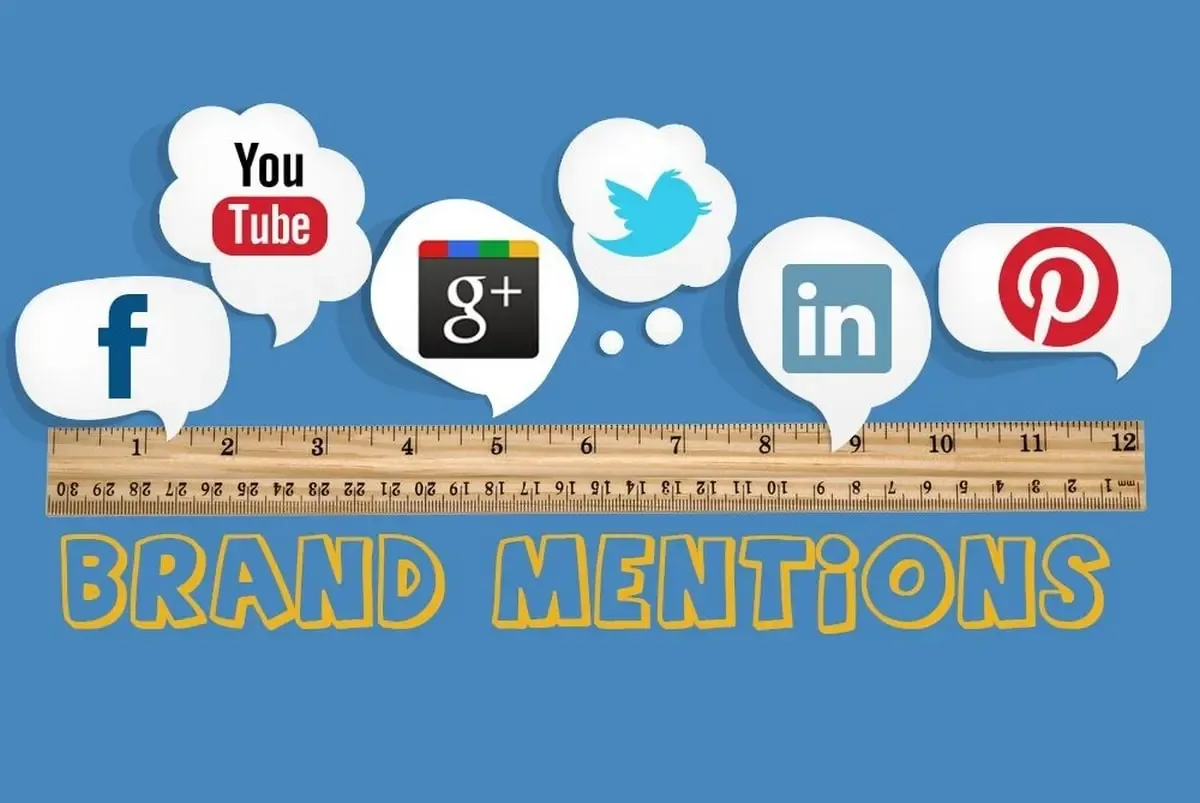
    5. Brand Authority and Mentions Matter More Than Ever

    SEO is no longer isolated to your website alone.

    AI systems evaluate your brand footprint across the web, including:

    • Brand mentions
    • Reviews and ratings
    • Social discussions
    • Citations from trusted sources

    A brand that is consistently mentioned across platforms appears more credible than one that only exists on its own website.

    How to Build Brand Signals:

    • Publish expert content consistently
    • Get mentioned on relevant websites
    • Maintain consistent messaging across platforms
    • Encourage authentic reviews and discussions

    In 2026, SEO and digital PR overlap more than ever.


    https://js-interactive.com/wp-content/uploads/2023/09/utilizing-seo-for-brand-authority.png
    https://www.42signals.com/wp-content/uploads/2024/04/Importance-of-brand-mentions-3.webp
    https://searchengineland.com/wp-content/seloads/2024/02/What-is-digital-PR-for-SEO.jpeg.webp

    6. Multimodal Content Is Now Part of SEO

    SEO is no longer text-only.

    Search engines and AI systems now process:

    • Images
    • Videos
    • Audio
    • Visual explanations

    Content with multiple formats increases understanding, trust, and reuse potential.

    What You Should Do:

    • Add relevant images with context
    • Embed explainer videos
    • Use visuals to simplify complex ideas
    • Optimize multimedia for clarity, not decoration

    Text explains. Visuals reinforce. Together, they win.


    7. Discovery Happens Beyond Google Search

    In 2026, people don’t search only on Google.

    They search on:

    • YouTube
    • TikTok
    • LinkedIn
    • Reddit
    • Community forums

    These platforms influence what AI considers trustworthy and relevant.

    SEO Strategy Must Expand:

    • Repurpose content across platforms
    • Maintain consistent expertise messaging
    • Participate in relevant discussions

    Your website is the foundation — but discovery happens everywhere.


    Bonus Insight: Email Is Still One of the Strongest Channels

    While algorithms change, email remains direct and reliable.

    Email helps:

    • Build long-term trust
    • Reinforce authority
    • Reduce dependence on platforms

    In a fragmented discovery ecosystem, owning your audience matters more than ever.


    What SEO in 2026 Really Means

    SEO in 2026 is not about gaming algorithms.

    It’s about:

    • Being understood
    • Being trusted
    • Being referenced

    AI systems reward clarity, consistency, and authority.

    If your content is:

    • Well-structured
    • Machine-readable
    • Authentically useful

    You won’t just rank — you’ll stay visible.

    Note:
    This article is a summarized and adapted conclusion based on insights shared by SEO experts at Yoast, as published in their official 2026 SEO predictions. The content has been restructured and simplified to highlight the key takeaways in a practical and actionable format for business owners and SEO practitioners.

  • 7 Techniques for Voice Search Optimization: How to Make Your Content Voice-Assistant Friendly

    7 Techniques for Voice Search Optimization: How to Make Your Content Voice-Assistant Friendly

    In a world where more and more people are speaking to devices instead of typing, voice search optimisation (VSO) is no longer optional—it’s essential.

    Keywords such as “voice search optimisation”, “voice-assistant SEO”, “how to rank for voice search” and “voice search friendly content” are becoming vital as users ask full-sentences like “What’s the best Italian restaurant near me?” rather than typing “Italian restaurant near me”.

    According to recent studies, voice search continues to grow rapidly and brands that ignore this trend may miss out on sizable traffic.

    Whether you run an e-commerce site, a local business, or a blog, you should prepare your content and site architecture so it answers voice queries effectively.

    Below, I’ll walk you through 7 proven techniques to optimise for voice search, then provide a step-by-step example you can model for your own site.


    Understand how voice search differs from text search

    Before you dive into tactics, you need to understand the distinction. People speaking into a voice assistant often use conversational, question-style queries: “How do I …?”, “Where can I …?”, “What is …?” instead of terse typed strings.

    Here are key differences:

    • Longer queriesMore words, more specificity.
    • Conversational toneNatural phrasing, natural language.
    • Device context – Many voice searches happen on mobile, smart speakers, or while users are on the move. Optimisation must account for this environment.
    • Featured/answer nature – Voice assistants often pull a single result (or very few) via featured snippets, so being “position zero” is more important.

    Because of these differences, traditional SEO tactics alone won’t always suffice. You must tweak your strategy for speech-based queries.


    1. Technique #1: Use conversational, long-tail & question keywords

    One of the first actionable steps: shift your keyword strategy. Instead of “best coffee machine” you might target “What is the best coffee machine for a beginner?” Voice search optimisation thrives on longer, more specific, question-oriented phrases.

    How to implement:

    • Use tools to find question-based keywords (who, what, where, when, why, how).
    • Map out how users might ask your query verbally. E.g. “How can I fix a leaky tap myself?” instead of “leaky tap fix”.
    • Create content pages or sections (FAQ, “How To” guides) which directly use those question phrases.

    This approach aligns with how voice search queries are phrased, increasing the chances your content is selected.


    2. Technique #2: Answer intent quickly and simply (aim for featured snippets)

    When someone uses voice search, they want a quick, straightforward answer. Many voice assistants fetch the content from the featured snippet of search results or other structured answer boxes. So your content must be structured to be voice-assistant-friendly.

    Tactics:

    • Use headers and sub-headers clearly stating the question (“How do I fix a leaky tap?”).
    • Provide the answer early in the paragraph (first 40-50 words) so the voice assistant can extract it.
    • Use bullet lists or numbered steps for clarity.
    • Include FAQ schema markup or HowTo schema markup so search engines identify the format.

    By doing so you increase your chances of being selected as “position zero” and therefore being read out by voice assistants.


    3. Technique #3: Optimise for mobile, speed, user-experience & technical SEO

    Voice search often occurs on mobile devices or smart speakers, so your site must be technically sound. If your page loads too slowly or is not mobile-friendly, you risk losing the voice result opportunity.

    Key checks:

    • Mobile responsive design.
    • Fast loading times (use Google PageSpeed Insights, server caching, minimise heavy scripts).
    • Clean markup and structured data (Schema.org).
    • Use HTTPS.
    • Ensure content is easy to read and digest.

    Essentially, you’re building a site that not only reads well but otherwise speaks well to devices.


    4. Technique #4: Include local SEO if you target regional queries

    Many voice searches are local: “Where is the nearest pizza place?” “Find plumber in Petaling Jaya.” If your business has a physical location or serves local customers, local voice search optimisation is vital.

    Steps to optimise locally:

    • Ensure your business’s NAP (Name, Address, Phone) is correct and consistent across Google My Business/Maps and your site.
    • Use geo-specific keywords in conversational style (“Which Malay restaurant is closest to Batu Caves?”).
    • Include “near me”-type phrases and service area details.
    • Encourage positive reviews (since voice assistants often rely on review ratings when choosing which result to speak).

    If you ignore local voice optimisation, you miss out on a large chunk of voice-driven traffic and conversions.


    5. Technique #5: Leverage structured data and content format that helps voice assistants

    Structured data (Schema markup) gives search engines a clearer understanding of your content, which helps voice assistants pick your answer.

    Important markup to consider:

    • FAQ Schema for your Q&A sections.
    • HowTo Schema for step-by-step guides.
    • LocalBusiness Schema (for local businesses).
    • Breadcrumb, Organization, and Review markups.

    Also, format your content in a way that voice assistants can parse easily: direct question headers, short paragraphs, bulleted lists, simple language.


    6. Technique #6: Optimise for voice across devices and platforms (and test)

    Voice search isn’t just Google on mobile. It includes smart speakers, TVs, home assistants, and different platforms (Siri, Alexa, Cortana etc).

    Testing and platform strategy:

    • Use voice search yourself: ask your device questions that match your target keywords and see what gets read back.
    • Review how results appear across platforms (mobile, speaker, smart-TV).
    • Ensure your metadata and markup are valid across platforms.
    • Monitor voice traffic analytics (if available) and track featured snippet wins.

    The more you test and refine, the better prepared you’ll be.


    7. Technique #7: Create content with voice-search in mind (and offer value)

    At the heart of voice search optimisation is making your content genuinely useful and accessible. It’s not about keyword stuffing or gimmicks; it’s about meeting the user’s voice-query intent.

    Content creation tips:

    • Write in conversational tone, as though you were answering someone’s question face-to-face.
    • Include “question-and-answer” sections. Example: “Question: What time does the store open?” “Answer: We open at 9 am on weekdays…”
    • Prioritise readability: simple sentences, clear structure, relevant visuals.
    • Update content regularly: voice queries change as language, devices and user behaviour evolve.
    • Consider audio/video formats too — voice search might serve multimedia responses.

    By creating content that resonates with how people speak, you’ll be much better positioned for voice search wins.


    How to optimise an article for voice search

    Let’s put these 7 techniques into practice with a mini-case study. Suppose you run a blog about “home plumbing tips” and you want to capture voice search traffic for “how to fix a leaky tap”.

    Step 1: Keyword research

    • Find question-style long-tail keywords: “How do I fix a leaky tap in my bathroom?”, “What tools are needed to fix a leaky faucet?”, “Why is my tap leaking when turned off?”.
    • Use your keyword tool to filter for “questions” or “conversational” keywords.

    Step 2: Create the article structure

    Title: “How to Fix a Leaky Tap: A Step-by-Step Guide for Homeowners”
    Headings might include:

    • H1: How to Fix a Leaky Tap: A Step-by-Step Guide for Homeowners
    • H2: Why Is My Tap Leaking? (Understanding the Causes)
    • H2: What Tools You’ll Need to Fix a Leaky Tap
    • H2: How Do I Fix a Leaky Tap? (The Step-by-Step Process)
      • H3: Step 1: Turn Off the Water Supply
      • H3: Step 2: Remove the Tap Handle
    • H2: FAQ – Common Questions Homeowners Ask
      • H3: “How much does it cost to fix a leaky tap?”
      • H3: “Can I fix it myself or do I need a plumber?”
    • H2: Final Thoughts

    Step 3: Answer the questions clearly

    At the start of the article, you might write a short paragraph:

    If your tap is leaking, the most common cause is a worn washer or O-ring. You can fix it yourself with basic tools in under 30 minutes following our step-by-step guide.

    This establishes a clear answer within 40-50 words, helping voice assistants pick it up.

    Step 4: Use conversational tone

    Write as though speaking:

    “Ever heard that steady drip-drip-drip when you turn off the tap? Here’s exactly how to stop it…”

    This mirrors real-life speech and aligns with how users talk to devices.

    Step 5: Optimise for mobile and speed

    Ensure the article loads rapidly, images are compressed, article is mobile responsive, markup is valid, FAQ schema is added. Use HowTo schema for the step-by-step section.

    Step 6: Local and review (if you’re a plumber or local service)

    If you are a plumbing business:

    • Add your local business schema, geography details (city, state).
    • Encourage reviews from happy customers (“Fixed my tap in 20 minutes!”) because voice assistants may reference reviews when recommending.

    Step 7: Test your content via voice

    On your smartphone or smart speaker, ask: “How do I fix a leaky tap?” and see if the device reads from your page or snippet. If not, iterate the language/markup.

    By following this process, you increase your chances of your site being found when users ask verbally.


    Why voice search optimisation matters for your business

    Let’s recap why this matters:

    • The percentage of searches done by voice assistants keeps rising.
    • Voice search often leads to action (calls, local visits, purchases) because many queries are bottom-of-funnel.
    • Optimising for voice helps overall SEO too—improving mobile performance, user experience, long-tail keyword coverage.
    • It helps you stay ahead of the competition. Many sites have not yet adapted their content and structure for voice search.

    For these reasons, voice search optimisation should form part of your SEO roadmap for 2025 and beyond.


    Common pitfalls to avoid

    As you implement voice search optimisation, watch out for these mistakes:

    • Ignoring mobile/speed issues – Even with great content, if your site is slow you lose users and rankings.
    • Writing like you type – If your content still uses short, fragmented keywords rather than conversational language, you’ll miss voice-search opportunities.
    • Neglecting schema/structured data – Without proper markup, search engines and voice assistants may fail to interpret your content for voice results.
    • Ignoring local context – If you’re a local business and you don’t optimise for “near me” or local voice queries, you lose a large pool of ready-to-act users.
    • Failing to test voice queries – If you don’t test on actual devices (smartphones, speakers) your assumptions may be off.

    By avoiding these, you increase your chance of success.


    This video walks through essential steps for voice search optimisation including conversational keywords, schema markup, FAQ sections and mobile optimisation.


    Voice search optimisation is no longer a fringe tactic—it’s central to any modern SEO strategy.

    By applying the 7 techniques above you position your site to capture traffic from users speaking to devices like smartphones and smart speakers.

    Remember: the goal is not just to rank—but to be chosen and spoken aloud by voice assistants.

    The difference between a typed search and a voice query may seem slight, but the optimisation approach changes significantly.

    Work through your content with the voice-first mindset: think of your user speaking the question, the assistant reading the answer, and you being the correct answer.

    Start with one topic—perhaps your highest-priority service or product—optimise it using the steps above, test via voice queries, refine, then roll out to other pages.

    Over time, you’ll build a voice-ready asset base that drives traffic, engagement and conversions.

    READ MORE :

  • What is Technical SEO? And Why It’s the Backbone of Your Google Rankings

    What is Technical SEO? And Why It’s the Backbone of Your Google Rankings

    The Hidden Power of Technical SEO

    Most business owners think SEO is just about keywords and backlinks. But here’s the truth: even if you have the best content and the most backlinks, you won’t rank if your website isn’t technically sound.

    That’s where Technical SEO comes in.
    It’s like the foundation of your house — invisible to most, but absolutely critical. Without it, everything else falls apart.

    If your site is slow, not mobile-friendly, or hard for Google to crawl, your rankings will suffer — no matter how great your content is.


    What is Technical SEO?

    Technical SEO is the process of optimizing your website’s infrastructure so that search engines can crawl, index, and understand your content easily.

    It includes things like:

    • Website speed
    • Mobile-friendliness
    • Site structure & internal linking
    • Secure HTTPS connection
    • XML sitemaps & robots.txt
    • Fixing crawl errors

    Think of it as “search engine housekeeping” — making sure Google has a smooth path to read and rank your website.


    Why Technical SEO is Important

    1. Better Crawlability & Indexing

    Google uses “bots” to crawl your site. If your site structure is messy or blocked, Google might miss your most important pages.

    crawl website

    2. Improved User Experience (UX)

    Fast-loading, mobile-friendly websites keep users happy. And Google rewards good UX with higher rankings.

    3. Higher Rankings on Google

    Technical SEO directly affects core ranking signals like site speed, mobile usability, and secure connections.

    4. Prevents Ranking Drops

    A single technical issue (like broken redirects or duplicate content) can tank your rankings overnight.

    5. Maximizes ROI of Other SEO Efforts

    Without solid technical SEO, your on-page and off-page work won’t deliver full results.


    Key Elements of Technical SEO

    1. Website Speed Optimization

    • Use tools like Google PageSpeed Insights
    • Compress images
    • Enable browser caching
    • Use a Content Delivery Network (CDN)

    👉 Did you know? 53% of visitors leave if a page takes more than 3 seconds to load.

    Check it here to check your website speed or use GT Metrix


    2. Mobile-Friendliness

    With Google’s mobile-first indexing, your mobile site is the primary version Google looks at.


    3. Secure Your Site with HTTPS

    Google favors secure sites. If your website still uses HTTP, it’s time to switch. SSL certificates are a must for both security and SEO.


    4. Site Structure & Internal Linking

    A clear structure helps both Google and users navigate your site.

    • Use logical categories and subcategories
    • Create an XML sitemap
    • Use breadcrumbs for navigation

    5. Fix Crawl Errors


    6. Canonical Tags & Duplicate Content

    If you have similar content across multiple pages, use canonical tags to tell Google which version is the “main” one.


    7. Structured Data (Schema Markup)

    Adding schema markup helps Google understand your content better and can earn you rich snippets (like star ratings or FAQs) in search results.


    Common Technical SEO Mistakes

    • Slow website loading times
    • Mobile usability issues
    • No SSL certificate (HTTPS)
    • Duplicate content
    • Broken internal links
    • Poorly optimized images
    • Blocking important pages with robots.txt

    Real Example: Technical SEO in Action

    Imagine you run an online store.

    • Before technical SEO:
      • Pages take 6 seconds to load
      • Mobile checkout is broken
      • Google isn’t indexing product pages properly
    • After technical SEO fixes:
      • Pages load in under 2 seconds
      • Mobile users buy smoothly
      • Google indexes all 500+ products

    Result? Sales skyrocket because both users and Google love your site.


    5 Quick Technical SEO Fixes You Can Do Today

    1. Test your site speed and optimize images.
    2. Make sure your site has an SSL certificate (HTTPS).
    3. Submit an XML sitemap in Google Search Console.
    4. Fix broken links and redirects.
    5. Check your mobile-friendliness with Google’s free tool.

    Here I share some tools SEO that can check your website here.


    Build a Strong SEO Foundation

    Technical SEO may not be glamorous, but it’s the backbone of your entire SEO strategy. Without it, your great content and backlinks won’t reach their full potential.

    By optimizing your site’s speed, structure, security, and crawlability, you make it easier for Google to rank you — and for users to stay engaged.

    ⚡ At Creative Site, we specialize in uncovering and fixing hidden technical SEO issues that hold businesses back. Get your FREE SEO Audit Report in seconds and see exactly what’s stopping your site from ranking higher on Google. Let’s build your SEO foundation today!

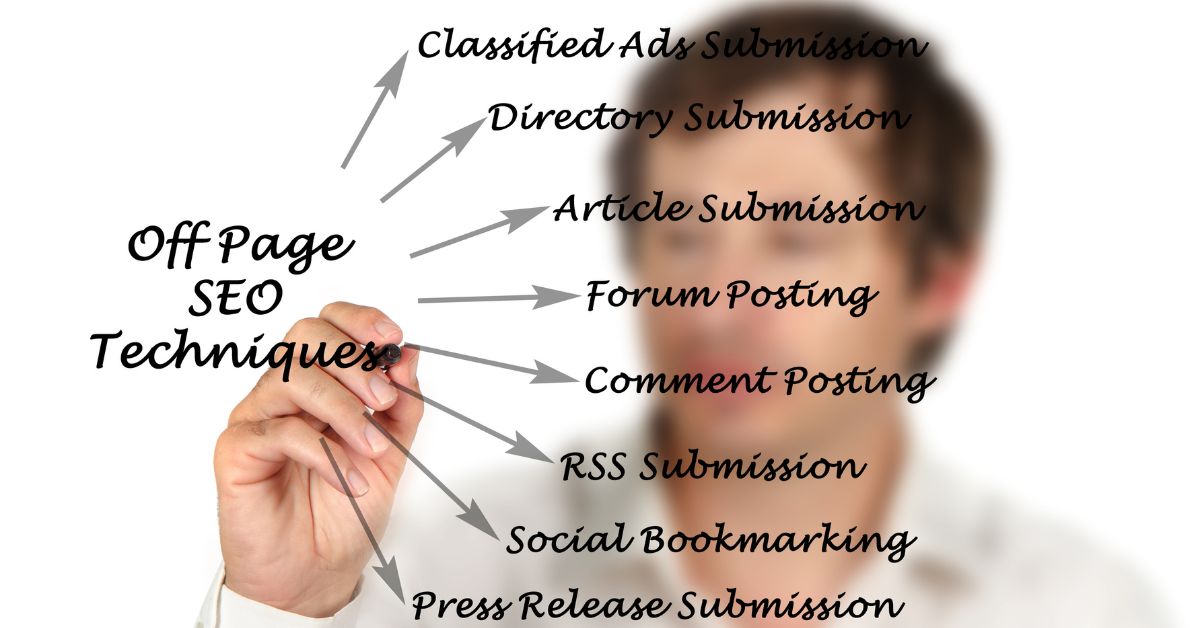
  • What is Off-Page SEO? And Why It’s Crucial for Your Google Rankings

    What is Off-Page SEO? And Why It’s Crucial for Your Google Rankings

    Beyond Your Website

    Most people think SEO is just about adding keywords, writing blogs, or fixing technical issues. But here’s the truth: SEO is not just what happens on your website.

    If you really want to rank high on Google, you need Off-Page SEO.
    It’s everything that happens outside your website that builds your brand’s credibility, authority, and trust.

    Think of it this way: On-page SEO is like decorating your shop beautifully. Off-page SEO is like having people outside recommending your shop to everyone they meet.


    What is Off-Page SEO?

    Off-Page SEO refers to all the actions taken outside your website that improve your ranking in search engines. The goal is to show Google that your website is trusted, relevant, and authoritative.

    The most important part of off-page SEO is backlinks — links from other websites pointing to yours. But it doesn’t stop there. It also includes:

    • Brand mentions
    • Social signals (shares, likes, engagement)
    • Guest posting
    • Online reviews
    • Influencer collaborations

    In short: Off-page SEO tells Google that other people vouch for you.


    Why Off-Page SEO is Important

    1. Builds Website Authority

    Google wants to show results that are credible. If high-quality websites link to you, Google sees you as trustworthy.

    2. Improves Rankings Faster

    Even if your on-page SEO is perfect, you’ll struggle to rank without strong off-page signals. Backlinks act like votes of confidence.

    3. Drives Referral Traffic

    When people click on links from other sites, you get free traffic — and often these visitors are highly targeted.

    4. Strengthens Your Brand

    The more your brand is mentioned across the internet, the more people trust you. This leads to higher click-through rates (CTR) on Google results.

    5. Beats Bigger Competitors

    Small businesses can outrank bigger players if they consistently build strong off-page SEO strategies.


    Key Off-Page SEO Strategies You Should Focus On

    1. Backlink Building

    • Guest posting on authority websites
    • Building relationships with bloggers and journalists
    • Creating shareable content like infographics or research

    👉 Pro tip: Focus on quality over quantity. One link from Forbes is worth more than 100 links from unknown blogs.


    2. Social Media Signals

    Even though Google says social shares aren’t a direct ranking factor, there’s a strong correlation.
    Content that gets more shares often gets more backlinks — which boosts SEO.


    3. Local SEO & Citations

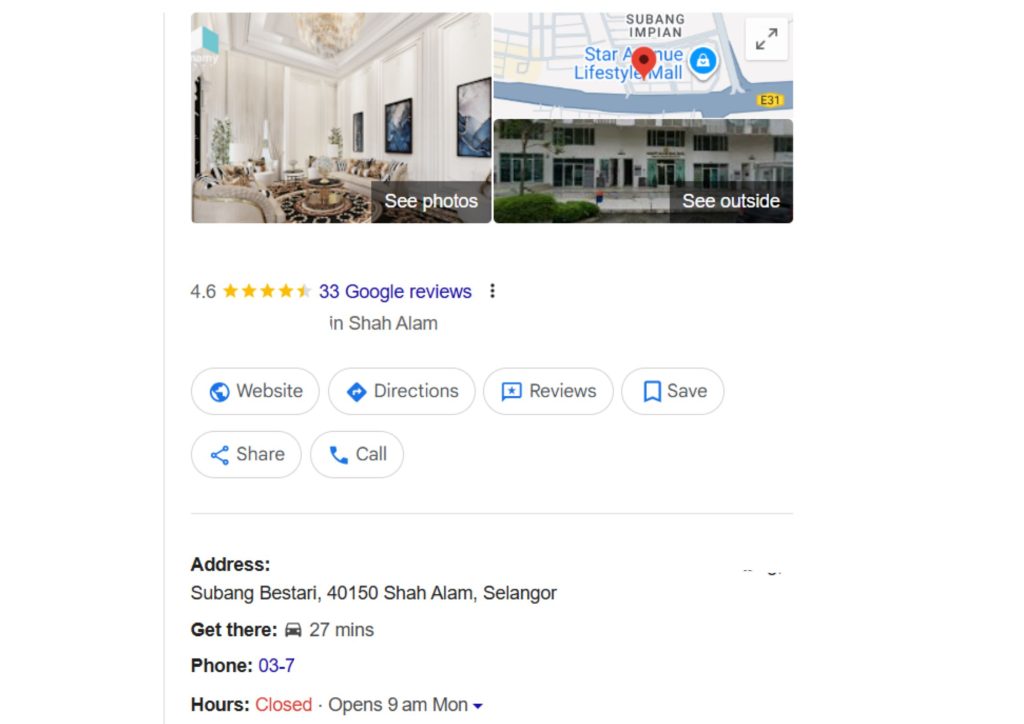
    If you’re a local business, make sure your business info (NAP – Name, Address, Phone) is consistent across directories, Google Business Profile, and review sites.

    Google Place

    4. Online Reviews

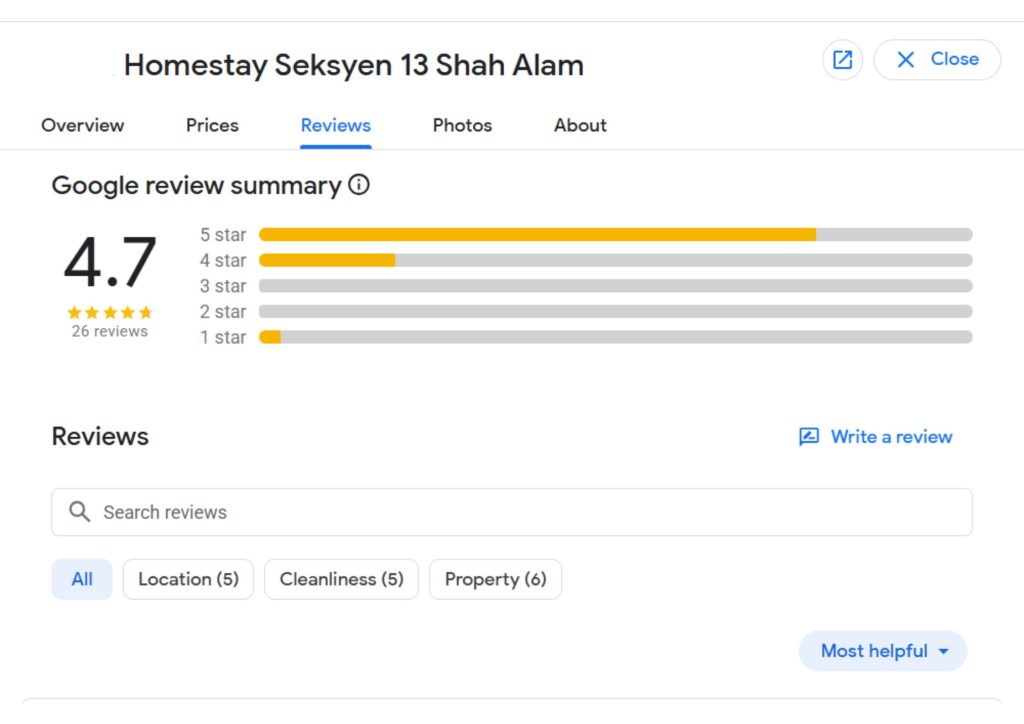
    Positive reviews on Google Maps, Facebook, or industry directories don’t just build trust with customers — they also improve your local SEO.

    Google Review

    5. Influencer & PR Marketing

    When influencers, industry experts, or big websites mention you, it builds huge credibility.
    This kind of authority is gold for SEO.


    6. Content Marketing for Off-Page SEO

    Your content can work outside your site too:

    • Write guest blogs
    • Create YouTube videos with backlinks
    • Repurpose content into infographics or LinkedIn posts

    Common Mistakes in Off-Page SEO

    • Buying spammy backlinks (Google will penalize you)
    • Using link farms or private blog networks (PBNs)
    • Ignoring brand reputation management
    • Focusing only on backlinks but not relationships

    Real Example: Off-Page SEO in Action

    Imagine you own an interior design firm.

    • You publish a guest article on a popular lifestyle blog.
    • That blog links back to your website.
    • An influencer shares your project video on Instagram.
    • Happy clients leave glowing Google reviews.

    Result? Your website climbs up Google search results, more people discover your brand, and leads start flowing in — without extra ad spend.


    5 Quick Wins for Off-Page SEO (You Can Start Today)

    1. Claim your Google Business Profile and get at least 10 reviews.
    2. Reach out to 5 industry blogs for guest posting opportunities.
    3. Share your best content on LinkedIn and Twitter consistently.
    4. Submit your business to trusted local directories.
    5. Create one shareable infographic and promote it.

    Don’t Ignore Off-Page SEO

    On-page SEO makes your site search-engine-friendly. But off-page SEO is what convinces Google (and people) that you’re an authority worth ranking.

    If you want to beat your competitors, you need a strong off-page SEO strategy that builds credibility, trust, and visibility.

    ⚡ At Creative Site, we help businesses like yours grow with powerful Off-Page SEO strategies — from backlink outreach to review management. Get your FREE SEO Audit Report in seconds and see how your website is performing. Let’s build your authority together!

  • What Is On-Page SEO? A Complete Guide to Boost Your Website Rankings

    What Is On-Page SEO? A Complete Guide to Boost Your Website Rankings

    Have you ever asked yourself: “Why isn’t my website showing up on Google, even though it looks great?”
    The answer often comes down to On-Page SEO.

    On-Page SEO is the foundation of your online visibility. It’s what tells Google exactly what your website is about — and why it should show your page instead of your competitors’.

    In this guide, we’ll break down what On-Page SEO is, why it matters, the most important factors to focus on, and how you can apply them to get better rankings, more traffic, and more customers.


    What Is On-Page SEO?

    On-Page SEO refers to the practice of optimizing the content, structure, and HTML elements of a web page so it can rank higher on search engines like Google.

    Think of it like preparing your store before customers walk in:

    • Your content is the products.
    • Your headings and layout are the shelves.
    • Your URLs and meta tags are the signboards that guide customers.

    When everything is in place, search engines (and users) understand your site better.

    On-Page SEO vs Off-Page SEO:

    • On-Page SEO = everything you control on your website (content, structure, keywords).
    • Off-Page SEO = actions outside your site (backlinks, mentions, PR).

    Both matter — but On-Page SEO is always the first step.


    Why On-Page SEO Matters

    Here’s why you can’t ignore On-Page SEO:

    • 📈 Better visibility: Google needs to understand your page before it ranks it.
    • 🎯 More qualified traffic: You’ll attract people actively searching for what you offer.
    • 🤝 Builds credibility: Pages that load fast, are well-structured, and easy to read keep users’ trust.
    • 💰 Long-term results: Unlike ads that stop when you stop paying, On-Page SEO keeps working for you 24/7.


    Key On-Page SEO Factors to Focus On

    Here are the most important elements you should optimize:

    1. Title Tags

    The clickable headline in Google search results.

    • Keep it under 60 characters.
    • Include your target keyword.
    • Make it compelling (not just “Home”).

    Example: Instead of “About Us”, write “About Creative Site | Digital Marketing Agency Malaysia”.


    2. Meta Descriptions

    The short text under your title in Google.

    • 150–160 characters.
    • Use keywords + call-to-action.
    • Write it for humans, not just robots.

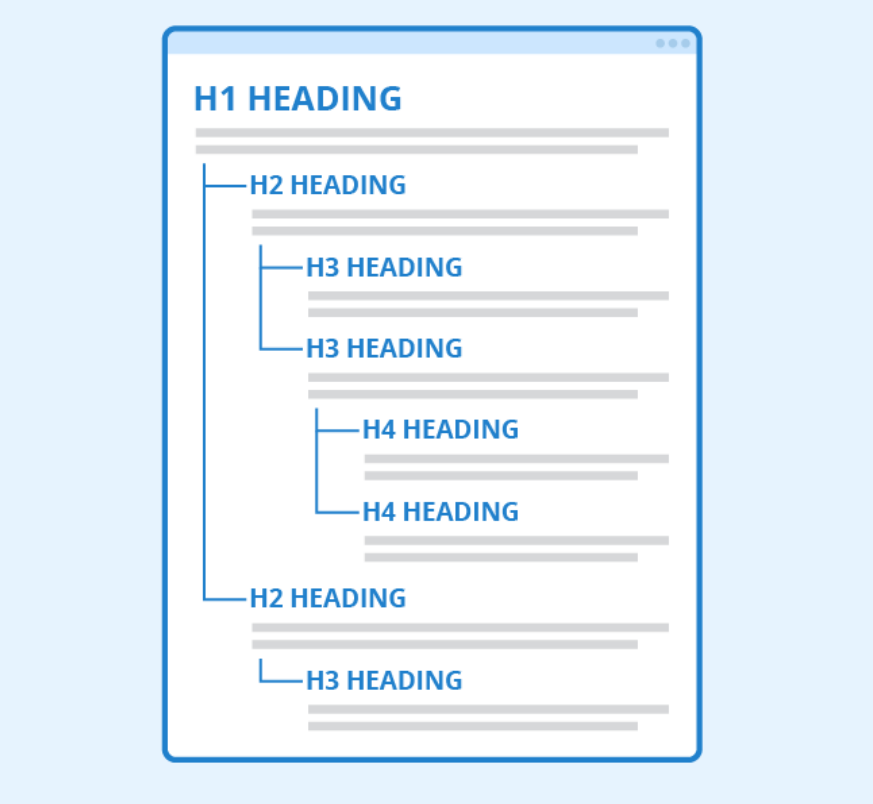
    3. Headings (H1, H2, H3)

    Headings break content into digestible sections.

    • Only 1 H1 (your main topic).
    • Use H2s for subtopics, H3s for details.
    • Naturally include keywords.

    4. Content Quality

    Content is still king — but context is queen.

    • Write unique, useful, and detailed content.
    • Answer questions your audience is searching for.
    • Mix in images, videos, infographics.

    5. Keyword Placement

    • Put your main keyword in the first 100 words.
    • Sprinkle related keywords naturally.
    • Avoid stuffing — Google is smarter than that.

    6. Internal Linking

    Guide visitors (and Google) to other relevant pages.

    • Example: link your blog post about On-Page SEO to your SEO Services page.
    • This builds authority and keeps visitors engaged.

    7. URL Structure

    Clean, short, and keyword-based.


    8. Image Optimization

    • Compress images for fast loading.
    • Use descriptive file names (e.g., on-page-seo.png).
    • Add alt text for accessibility and SEO.

    9. Mobile-Friendly Design

    More than 60% of searches come from mobile.
    Your site must look and work great on all devices.


    10. Page Speed

    Slow websites = high bounce rates.
    Use tools like Google PageSpeed Insights or GTmetrix to test and improve speed.


    On-Page SEO Best Practices (2025 Edition)

    • Always write for humans first, then optimize for Google.
    • Use tools like Google Search Console, Ubersuggest (recommended by me!), or SEMrush (Quite expensive BUT very WORTH IT!).
    • Focus on search intent — why someone is Googling.
    • Update old content regularly.
    • Use structured data (schema) if relevant.

    Common On-Page SEO Mistakes to Avoid

    ❌ Keyword stuffing
    ❌ Duplicate content
    ❌ Ignoring mobile optimization
    ❌ Slow loading speed
    ❌ No internal linking


    How On-Page SEO Works With Other Strategies

    On-Page SEO is the foundation. But to win the long game, you need to combine it with:

    • Technical SEO (site speed, sitemaps, crawlability).
    • Off-Page SEO (backlinks, PR, social signals).
    • Content Marketing (blogs, guides, videos).

    Together, they create a complete SEO strategy.

    Check it out with Google how to get your website on Google Search


    Conclusion

    On-Page SEO may sound technical, but it’s really about one thing: making your website clear, useful, and easy to understand — for both users and Google.

    By optimizing your titles, content, structure, and speed, you give your business the best chance to rank higher, attract the right visitors, and turn clicks into customers.


    Not sure where to start with On-Page SEO? Let us do the heavy lifting.
    At Creative Site, we help businesses in Malaysia rank higher and get more leads with proven SEO strategies.

    👉 Get Your Free SEO Audit Today

  • What is SEO? And How It Helps Your Business Get Found on Google

    What is SEO? And How It Helps Your Business Get Found on Google

    Why SEO Matters for Every Business

    What is SEO? And why should your business care?
    Search Engine Optimization (SEO) is the process of making your website visible on search engines like Google. Imagine this: when people search for “best nasi lemak near me” or “affordable interior design services”, the first few results they see are the ones they usually click. If your business isn’t there, you’re invisible online.

    In today’s digital-first world, SEO is no longer optional. It’s a must-have strategy if you want customers to find you, trust you, and buy from you.


    What Exactly is SEO?

    SEO stands for Search Engine Optimization. It’s about improving your website so that search engines understand it, rank it, and show it to the right people.

    There are three main parts of SEO:

    1. On-Page SEO – optimizing content, keywords, and website structure.
    2. Off-Page SEO – building trust through backlinks and online reputation.
    3. Technical SEO – making sure your site loads fast, is mobile-friendly, and secure.

    Think of SEO as building a digital “map” that guides Google to your website. Without it, you’re lost in the crowd.


    Why SEO is Important for Your Business

    Let’s break it down: why does SEO matter so much?

    1. SEO Increases Your Visibility on Google

    Most people don’t scroll past the first page of Google. If you’re not there, your competitors are getting all the clicks. SEO helps you rank higher so your business gets noticed.

    2. SEO Brings Targeted Traffic

    Unlike ads that interrupt people, SEO works when someone is actively searching for what you offer. That means they’re already interested and more likely to become a customer.

    3. SEO Builds Trust and Credibility

    Websites that show up on Google’s first page are seen as more credible. Ranking high is like a stamp of approval — people automatically trust your brand more.

    4. SEO Saves You Money in the Long Run

    Ads stop the moment you stop paying. SEO, on the other hand, keeps working 24/7 once your website is optimized. It’s an investment that pays off over time.

    saves money

    5. SEO Helps You Compete With Bigger Brands

    Even if you’re a small business, SEO levels the playing field. With the right strategy, you can outrank larger competitors who aren’t paying attention to their SEO.


    How Does SEO Actually Work?

    Here’s a simple breakdown of how SEO helps your business:

    1. Keyword Research – Finding what people search for. Example: “best tuition center near me.”
    2. Content Creation – Writing blogs, guides, or service pages that answer those searches.
    3. On-Page Optimization – Using headings, meta descriptions, and keywords in the right places.
    4. Backlinks – Getting other trusted sites to link to your website (like recommendations).
    5. Technical SEO – Making sure your site is fast, mobile-friendly, and secure.
    6. User Experience – Google ranks sites higher if visitors stay longer and engage more.

    Google uses over 200 ranking factors, but if you focus on the basics, you’re already ahead of most businesses.


    Common Myths About SEO (That Hurt Your Business)

    • “SEO is a one-time thing.”
      ❌ Wrong. SEO is ongoing. Google changes its algorithm often, and your competitors keep optimizing.
    • “I can just pay for ads instead.”
      ❌ Ads work, but they stop the moment your budget stops. SEO gives you long-term visibility.
    • “SEO is only for big companies.”
      ❌ Small businesses benefit the most from SEO because it gives them visibility without massive ad spend.

    Real-Life Example

    Let’s say you run a bakery. Without SEO, only people walking past your shop know you exist. With SEO:

    • You show up when people search “fresh sourdough near me.”
    • You get reviews on Google Maps.
    • People read your blog about “How to Bake the Perfect Croissant” and decide to visit you.

    That’s the power of SEO — it turns searchers into customers.


    5 Simple SEO Tips to Get Started Today

    Even without hiring an expert, you can start with these basics:

    1. Optimize Your Google Business Profile – Make sure your business info, photos, and reviews are updated.
    2. Use the Right Keywords – Add relevant keywords naturally into your content.
    3. Create Quality Content – Write blog posts or guides that answer your customers’ questions.
    4. Improve Site Speed – A fast website ranks higher and keeps visitors happy.
    5. Mobile-Friendly Design – Most people search on phones, so make sure your site looks good on mobile.

    The Future of SEO: Why You Need to Act Now

    Search is changing. Voice search, AI, and personalized results mean SEO is more important than ever. Businesses that invest in SEO today will stay ahead, while those who ignore it will fall behind.

    Remember: Google is the first place people go when they want something. If you’re not there, your competitors are.

    Conclusion: Don’t Ignore SEO

    It’s the foundation of online success. Its helps your business get found on Google, brings targeted traffic, builds trust, and saves money in the long run.

    Whether you’re a small local shop or a growing online business, SEO gives you the visibility and credibility you need to thrive.

    Start with the basics. And if you want faster results, consider working with an SEO expert who can craft a strategy tailored to your business.

    With Creative Site, you can get a FREE SEO Audit Report in seconds — fast, simple, and actionable. Claim your instant audit today and see how your website is really performing on Google.