SEO vs SEM is one of the first big decisions every Malaysian business owner faces online. Should you pay Google for clicks today, or build organic rankings that keep bringing in leads for free? The truth is that most businesses get this choice wrong because they treat it as either/or.
In this guide, I’ll break down how each channel works, what it really costs in Malaysia, and how AI search is changing the game. By the end, you’ll know exactly where to put your next ringgit.
What Is the Difference Between SEO vs SEM?
Let’s start with simple definitions. SEO (search engine optimisation) is the work you do to rank in Google’s unpaid, organic results. SEM (search engine marketing) usually means paid search, such as the Google Ads you see at the top of the results page.
Some marketers use SEM as an umbrella term that covers both paid and organic search. In this article, however, SEM means paid search. That keeps the SEO vs SEM comparison clear and practical.
Here’s the easiest way to picture it. SEO is like buying a shop lot. SEM is like renting a booth at a busy mall. Both bring in customers, but only one keeps working after you stop paying.
How SEO Works
Google ranks organic pages based on relevance, quality and trust. So your job is to create helpful content, fix technical issues and earn links from other websites. Over time, Google rewards that work with higher rankings.
You don’t pay per click. Instead, you invest in content, site improvements and expertise. Once a page ranks well, it can bring in traffic for months or even years.
How SEM (Google Ads) Works
With Google Ads, you bid on keywords and pay each time someone clicks your ad. However, the highest bid doesn’t automatically win. According to Google’s own explanation of the Ads auction, your position depends on your bid, the quality of your ad and landing page, your ad assets, and the context of the search.
Google also notes that you often pay less than your maximum bid. That’s good news. It means a better ad and landing page can beat a bigger budget.
Why SEO vs SEM Matters So Much in Malaysia
Malaysians search on Google far more than anywhere else. In fact, StatCounter data shows Google held 91.27% of Malaysia’s search engine market in September 2026.
That means one platform decides who gets found. Whether you sell aircond services in Shah Alam or legal advice in Johor Bahru, your customers start on Google. As a result, both organic and paid visibility on that one page matter a lot.
Demand is real, too. For example, Ahrefs Keywords Explorer estimates that “aircond service” gets around 3,400 searches a month in Malaysia. Every one of those searches is a potential customer looking for help right now.
SEO vs SEM: Pros and Cons Side by Side
Neither side of the SEO vs SEM debate wins in every situation. Instead, each one has clear strengths and weaknesses. Let’s look at both honestly.
The Pros and Cons of SEO
- Pro: Traffic keeps coming without a cost per click.
- Pro: Organic rankings build trust and brand authority.
- Pro: Good content can also get cited in AI answers.
- Con: Results usually take months, not days.
- Con: Algorithm updates can shift your rankings.
The Pros and Cons of SEM
- Pro: Your ads can appear the same day you launch.
- Pro: You control targeting by location, device and schedule.
- Pro: It’s great for testing which keywords convert.
- Con: Traffic stops the moment your budget runs out.
- Con: Costs rise as more competitors bid on the same keywords.
In short, SEM buys speed while SEO builds an asset. Smart businesses use both, but in the right order and the right ratio.
How Much Do SEO and SEM Cost in Malaysia?
Cost is usually the deciding factor in SEO vs SEM for SMEs. So let’s talk numbers, using real keyword data.
The Cost of SEM
With paid search, you pay for every click. According to Ahrefs Keywords Explorer data for Malaysia, “seo malaysia” has an estimated cost per click of around US$1.70. Meanwhile, “google ads malaysia” sits at roughly US$3.50 per click.
Those figures may look small. But imagine 1,000 clicks a month at US$3.50 each. That’s US$3,500 every month, and not every click turns into a lead. Plus, the spending never stops if you want to stay visible.
The Cost of SEO
With SEO, you pay for strategy, content and technical work rather than clicks. Typically, that’s a monthly retainer or a one-off project. If you want a detailed breakdown, read our guide on how much SEO services cost in Malaysia.
The key difference is what happens over time. With SEO, your cost per lead usually drops as rankings grow. With SEM, your cost per lead tends to stay flat or rise.
How AI Overviews Change the SEO vs SEM Debate
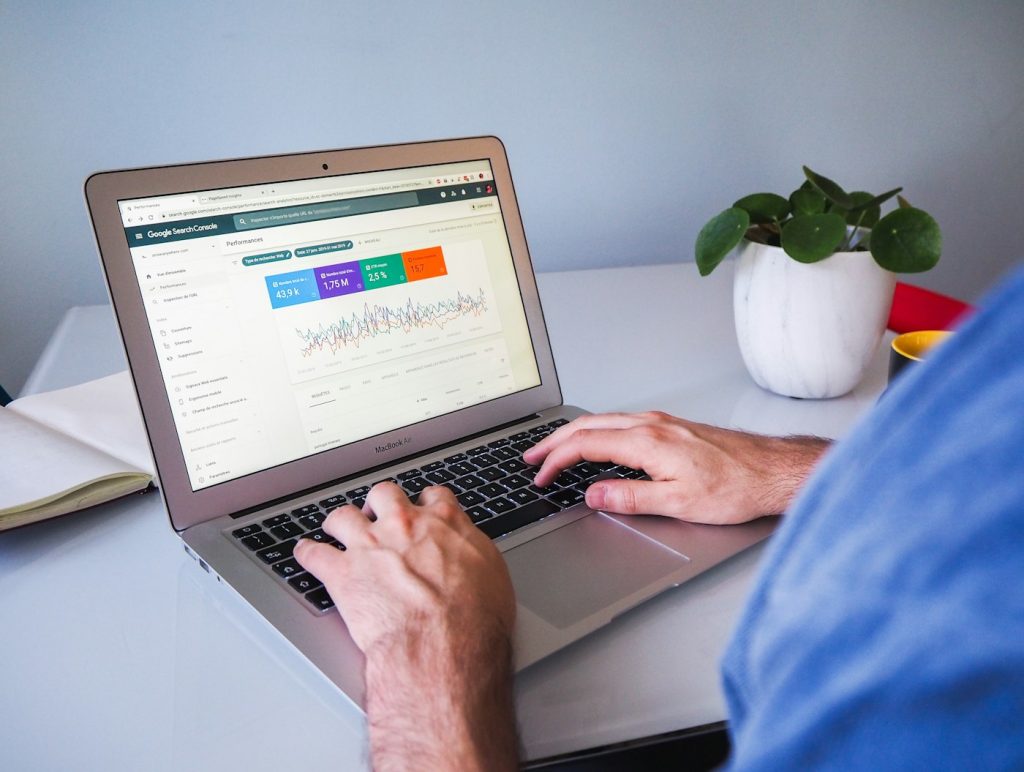
Google’s results page looks very different today. AI Overviews now answer many questions directly at the top of the page. As a result, fewer people scroll down and click.
The impact is big. In a February 2026 Ahrefs study of 300,000 keywords, the top-ranking page had an average click-through rate about 58% lower when an AI Overview appeared. The study compared December 2023 with December 2025.
So does that mean SEO is dead? Not at all. It means SEO has to evolve. Today, the goal isn’t only to rank. You also want AI tools to quote and cite your content.
That’s where AEO (Answer Engine Optimisation) and GEO (Generative Engine Optimisation) come in. If these terms are new to you, our article on SEO, AEO and GEO explains them in plain English.
Meanwhile, AI Overviews mostly affect informational searches like “what is” and “how to”. Commercial searches, such as “aircond service near me”, still drive plenty of clicks to both ads and local results. That’s why the smartest SEO vs SEM plan matches each channel to the right type of keyword.
When to Choose SEO, SEM or Both
Now for the practical part of SEO vs SEM. Here’s a simple framework I use with clients.
Choose SEM First If…
- You’ve just launched and need leads this month.
- You’re running a short promotion, like a Raya or 11.11 sale.
- You want to test which keywords convert before investing in content.
Choose SEO First If…
- You want to lower your cost per lead over time.
- Your customers research before they buy, such as for legal, medical or renovation services.
- You want visibility in AI answers as well as Google results.
Use Both If…
You have the budget and want steady growth. This is the best option for most established SMEs. Ads bring in leads now, while SEO builds the long-term engine.
For example, a dental clinic in Petaling Jaya could run Google Ads for “dentist near me” right away. At the same time, it could publish helpful guides on braces and scaling. Within a few months, organic rankings can take over some of the work that ads were doing.
5 Steps to Build Your SEO vs SEM Strategy
Ready to put this into action? Follow these five steps.
Step 1: Map Keywords by Intent
First, sort your keywords into two groups. Buying keywords like “renovation contractor KL” suit ads and service pages. Question keywords like “how long does renovation take” suit blog content.
Step 2: Use Ads to Find Winning Keywords
Next, run a small Google Ads campaign for a few weeks. Then check which search terms actually bring calls and WhatsApp enquiries. Those proven keywords become your top SEO targets.
Step 3: Build Pages That Serve Both Channels
A fast, clear landing page helps your Quality Score and your organic rankings. So invest in one strong page per service. After that, both channels benefit from the same work.
Step 4: Write Content That AI Can Quote
Answer common questions in short, direct paragraphs. Also, add FAQs, real examples and local details. This makes your content easier for both Google and AI tools to understand.
Step 5: Track Leads, Not Just Clicks
Finally, measure what matters: enquiries, sales and cost per lead. Our guide on how to measure SEO ROI shows you how to set this up properly. Once you have the data, shift budget towards whichever channel delivers cheaper leads.
Common SEO vs SEM Mistakes to Avoid
Even good strategies fail because of small mistakes. Here are the ones I see most often in Malaysia.
- Sending ads to the homepage. Instead, send each ad to a page that matches the search.
- Giving up on SEO too early. Most sites need several months of steady work before results show.
- Ignoring Bahasa Malaysia keywords. Many locals search in BM, so cover both languages.
- Bidding on everything. Broad keywords burn budget fast without bringing quality leads.
- Not tracking conversions. Without tracking, you can’t tell which channel actually works.
Want to see how real businesses fixed these issues? Browse our SEO case studies for practical examples from Malaysian brands.
Conclusion: SEO vs SEM Is Not a Battle
Here’s the bottom line. SEM gives you speed and control, while SEO gives you lasting, compounding growth. With AI Overviews reducing organic clicks, you also need content that AI tools can trust and cite.
For most Malaysian businesses, the winning formula is simple. Use ads for quick wins and testing. Then invest in SEO to lower your cost per lead over time.
Not sure where your website stands today? Get a free SEO audit from Creative Site and find out what’s holding your rankings back. If you’d rather have experts handle it, explore our SEO services in Malaysia.
Frequently Asked Questions
Is SEO or SEM better for a small business in Malaysia?
It depends on your timeline. SEM works best when you need leads quickly. SEO is better for lowering costs over time, so most small businesses benefit from a mix of both.
How long does SEO take to show results?
Most websites see meaningful progress within three to six months. However, competitive industries can take longer. Ads, by contrast, can show results within days.
Does running Google Ads improve my organic rankings?
No. Google keeps its ads and organic rankings separate. Still, ads can reveal which keywords convert, and you can use that data to guide your SEO.
Is SEM the same as PPC?
They’re closely related. PPC (pay-per-click) describes the pricing model, while SEM describes marketing on search engines. Many people use the two terms interchangeably.
Do AI Overviews make SEO a waste of money?
No, but they change how you do it. AI Overviews pull answers from web content, so well-structured, trustworthy pages can still earn visibility and citations. Commercial searches also continue to send plenty of clicks to websites.