
Off-Page SEO: Build Authority Beyond Your Website.
Learn how backlinks, referring domains, brand mentions, digital PR and external authority signals can strengthen a website's reputation and support organic search visibility.
What is Off-Page SEO?
Off-Page SEO refers to activities and signals outside your own website that can help strengthen its reputation, authority and visibility in search.
The best-known example is a backlink — a link from another website pointing to your website. However, Off-Page SEO is broader than simply collecting links.
Brand mentions, digital PR, relevant citations, industry recognition and genuine online reputation can all form part of a wider Off-Page SEO strategy.
On-Page, Technical and Off-Page work together.
On-Page SEO
Helps search engines understand the content, topic and relevance of your pages.
Technical SEO
Helps search engines access, crawl, render and index the website efficiently.
Off-Page SEO
Supports reputation, authority and trust signals coming from beyond the website itself.
What is a backlink?
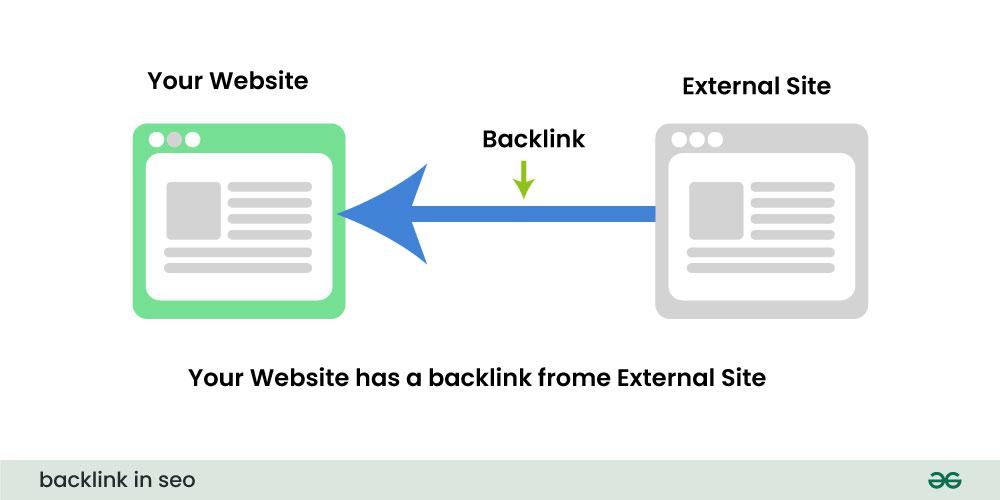
A backlink is a link from one website to another website. If Website A links to Website B, Website B has received a backlink from Website A.
Search engines can use links as one of many signals when evaluating relationships, discovery and authority across the web.
Not all backlinks have the same value.
A smaller number of relevant and credible links can be far more meaningful than thousands of random links created purely to manipulate rankings.
Relevance
A link generally makes more contextual sense when the source relates naturally to your industry, content or subject.
Source Quality
Consider whether the linking website itself appears genuine, useful and trustworthy.
Editorial Context
A naturally placed contextual reference can be more meaningful than a random sitewide or unrelated link.
Traffic & Audience
Useful links can also send relevant human visitors, not merely exist for search engines.
Placement
A genuine editorial link within useful content usually has clearer context than an unrelated footer link.
Natural Profile
Healthy backlink profiles usually contain a mixture of brands, URLs, topics, sources and anchor text.
10 backlinks do not always mean 10 websites.
Understanding the difference between backlink count and referring domains helps you read link data properly.
Backlinks
One website could link to you from ten different pages. That would create ten backlinks.
Referring Domain
If all ten links come from the same website, they represent only one referring domain.
Follow, nofollow, sponsored and UGC.
Links may contain attributes that provide additional context about the relationship between two pages.
Regular Link
A standard hyperlink without a qualifying rel attribute such as nofollow, sponsored or ugc.
Nofollow
Used when a publisher wants to qualify the relationship and indicate that the link should not be treated as a normal endorsement.
Sponsored
Appropriate for links created as part of advertising, sponsorship or other compensated arrangements.
UGC
Can be used for links appearing within user-generated content such as comments and forum posts.
What is backlink anchor text?
Anchor text is the clickable text used within a hyperlink. A natural link profile normally contains different forms of anchor text.
Uses the name of the business or brand.
Uses the website address itself as the clickable text.
Describes the subject or resource being referenced.
Uses generic wording rather than a keyword or brand.
How can businesses earn backlinks?
The strongest link-building strategies begin by giving other people a legitimate reason to mention or reference your business.
Create Link-Worthy Resources
Original research, useful guides, statistics, calculators, tools and unique resources can naturally attract references.
Digital PR
Create genuinely newsworthy stories, research or expertise that journalists and publications may want to reference.
Industry Contributions
Provide useful expertise, interviews, commentary or educational contributions within your industry.
Relevant Directories
List the business within genuine industry, professional or location-based directories where it makes sense.
Partnerships
Real business relationships, associations, suppliers and partnerships can sometimes create natural references.
Unlinked Brand Mentions
If a legitimate website already mentions your business, it may be reasonable to ask whether they can reference the appropriate website page.
Broken Link Opportunities
Find relevant resources that no longer exist and suggest a genuinely useful alternative when your content fits.
Original Data
Industry surveys, market observations and proprietary data can provide useful information others may cite.
Community & Events
Legitimate participation in industry organisations, events and communities can build genuine visibility and relationships.
Off-Page SEO is also about reputation.
Links are important, but building a recognisable and trusted brand across the wider web can support a stronger overall search presence.
Brand Mentions
Your business being discussed or referenced across relevant websites and publications.
Digital PR
Media coverage and expert commentary can increase brand awareness and generate valuable references.
Local Citations
Accurate business information across legitimate local and industry directories can support local visibility.
Reviews & Reputation
Customer reviews can influence trust and purchase decisions, particularly within local search environments.
What should you avoid?
Off-Page SEO becomes risky when links are created mainly to manipulate search rankings instead of providing genuine value or context.
✕ Risky Approach
✓ Better Approach
How to approach Off-Page SEO step by step.
Off-Page SEO should be treated as long-term authority building, not a one-time backlink campaign.
Review Your Current Backlink Profile
Understand which websites currently link to you, which pages receive backlinks and how your authority is distributed across the site.
Review Referring Domains
Do not look only at backlink quantity. Identify the unique websites responsible for those links.
Study Competitors
Review where relevant competitors receive legitimate industry mentions, links and citations to discover potential opportunities.
Identify Link-Worthy Assets
Determine which pages contain useful research, guides, statistics, tools, case studies or information other websites may genuinely want to reference.
Build Relevant Relationships
Connect with legitimate publications, organisations, partners and communities related to your industry.
Earn Relevant Mentions
Use valuable content, digital PR, expertise and genuine business activity to create reasons for others to mention you.
Monitor New & Lost Links
Track new referring domains, important lost links and changes to pages that historically attracted authority.
Measure Business Impact
Look beyond backlink counts. Monitor organic visibility, referral traffic, branded search demand and meaningful business outcomes over time.
Measure quality, not just quantity.
Backlink numbers can be useful, but they should be interpreted together with source quality, relevance and overall organic search performance.
Remember these five things.
Off-Page SEO Quiz
Answer all five questions to complete your final learning module.
You've reached the end. Ready to test your SEO knowledge?
You've completed the four fundamental areas of the Creative Site Learn SEO series. Take the Basic SEO Certificate assessment to test what you've learned.