
Link building is still one of the strongest ways to grow your Google rankings in 2026. But here is the problem. Most Malaysian business owners either ignore it completely or pay for cheap backlinks that put their website at risk.
So what actually works? In this guide, I will show you nine safe link building strategies you can start using this week. You will also learn what to avoid and how to track results. Plus, you will see why links matter even more now that AI search is growing.
What Is Link Building?
Link building is the process of getting other websites to link to your pages. Each link is like a vote of confidence. So, when a trusted site links to you, Google sees it as a sign that your content is useful.
Think of it like word of mouth. If several respected people in Kuala Lumpur recommend the same accountant, you start to trust that accountant. Google works in a similar way, except the recommendations are links.
However, not all links are equal. One link from a well-known Malaysian news portal or an industry association can be worth more than a hundred links from random, low-quality sites.
Why Link Building Still Matters in 2026
Some people say links do not matter anymore. However, the data says otherwise.
Ahrefs analysed around 14 billion pages and found that 96.55% of them get no traffic from Google at all. In the same study, pages with more referring domains tended to get more search traffic. You can read the full breakdown in the Ahrefs search traffic study.
Similarly, Backlinko analysed 11.8 million Google results. The number one result had an average of 3.8x more backlinks than positions two to ten. Of course, correlation is not causation. Still, the pattern is hard to ignore. See the Backlinko ranking factors study for details.
Links Also Support Your AI Search Visibility
AI tools such as Google AI Overviews, ChatGPT and Gemini pull answers from sources they consider trustworthy. As a result, brands that many reputable websites mention and link to are easier for these systems to recognise.
In other words, good link building helps you with classic SEO, AEO and GEO at the same time. If you want the bigger picture, read our guide on SEO, AEO and GEO.
9 Safe Link Building Strategies for Malaysian Businesses
Now for the practical part. These strategies are white hat, which means they follow Google’s rules. Pick two or three to start with, and then build from there.
1. Create Linkable Assets With Local Data
First of all, people link to things that are useful. A linkable asset is a piece of content that others want to reference, such as original data, a free tool or a detailed guide.
For example, a renovation contractor could publish a yearly “Renovation Cost Guide for Klang Valley Homes”. A property agent could share average rental prices by area in Johor Bahru. Local journalists and bloggers love this kind of data because it saves them research time. Plus, a good data asset keeps earning links for years.
2. Pitch Stories to Malaysian Media (Digital PR)
Digital PR means getting coverage from news sites and online magazines. In Malaysia, that could include business portals, lifestyle sites and industry publications.
To begin with, find a real story. Did your company hit a milestone, launch something new or survey your customers? Next, write a short, clear pitch and send it to the right journalist. Keep it under 200 words and lead with the most interesting fact.
3. Turn Unlinked Brand Mentions Into Links
Sometimes websites mention your brand without linking to you. This is the easiest link building win you will ever get.
To find them, set up a free Google Alert for your company name. Whenever you find a mention without a link, send a friendly email to the writer. Thank them for the mention and politely ask if they could add a link to your website. In fact, many will say yes.

4. Join Industry Associations and Chambers of Commerce
Most Malaysian industry associations and chambers of commerce list their members online. Many of these member directories include a link to each company’s website.
As a result, these links are relevant, trusted and hard for competitors to copy. On top of that, membership often brings networking events, which can lead to more links later.
5. Ask Suppliers, Partners and Clients
You already have business relationships, so use them! Your suppliers may have a “Where to Buy” or “Our Partners” page. Your clients might be happy to feature you in a case study.
Likewise, you can offer to write a testimonial for software or services you use. Companies often publish testimonials with a link back to the customer’s website.

6. Write Guest Posts for Relevant Malaysian Blogs
Guest posting still works when you do it properly. The key word is relevant. For instance, a guest post on a Malaysian marketing blog makes sense for an agency. A random overseas site full of casino articles does not.
Above all, focus on giving real value. Share your experience, add examples and avoid stuffing your post with keyword-rich anchor text. Also, if a site asks for payment, the site owner must mark the link as sponsored, as explained below.
7. Fix Broken Links on Other Websites
Broken link building is simple. First, find a page in your niche that links to a dead resource. Then, create a better version of that resource on your own site. Finally, let the site owner know about the broken link and suggest your page as a replacement.
Tools like Ahrefs make this easier because they show you broken backlinks on any domain. As a result, you can spot opportunities in minutes instead of hours.
8. Publish Bilingual Content in English and BM
Here is a Malaysia-specific advantage. Many local websites publish in Bahasa Melayu, and fewer businesses target that audience well.
By publishing helpful guides in both English and BM, you open the door to links from both language communities. This is especially useful for government-related topics, education and consumer services. After all, BM searchers deserve good answers too.
9. Share Your Expertise on Podcasts, Webinars and Events
Moreover, Malaysian podcasts, webinars and business events usually publish a page about each guest or speaker. That page almost always includes a link to the speaker’s website.
So, say yes when someone invites you to share your knowledge. Better yet, reach out and offer to speak on topics you know well.
Link Building Tactics You Should Avoid
Google is very clear about link spam. According to the Google Search Central spam policies, these practices can hurt your rankings:
- Buying or selling links that pass ranking credit, including paying with goods or services
- Excessive link exchanges (“link to me and I will link to you”)
- Using automated programs to create links
- Low-quality directory or bookmark site links
- Keyword-stuffed links in forum comments or signatures
Google does accept that paid links are part of the web. However, they must use rel=”sponsored” or rel=”nofollow” so they do not pass ranking credit. Also remember that Google rolled out a spam update in September 2026, so risky tactics are a bad bet. Our summary of the Google September 2026 spam update explains what changed.
How to Measure Your Link Building Results
You cannot improve what you do not measure. Fortunately, tracking link building is not complicated.
Track These Key Metrics
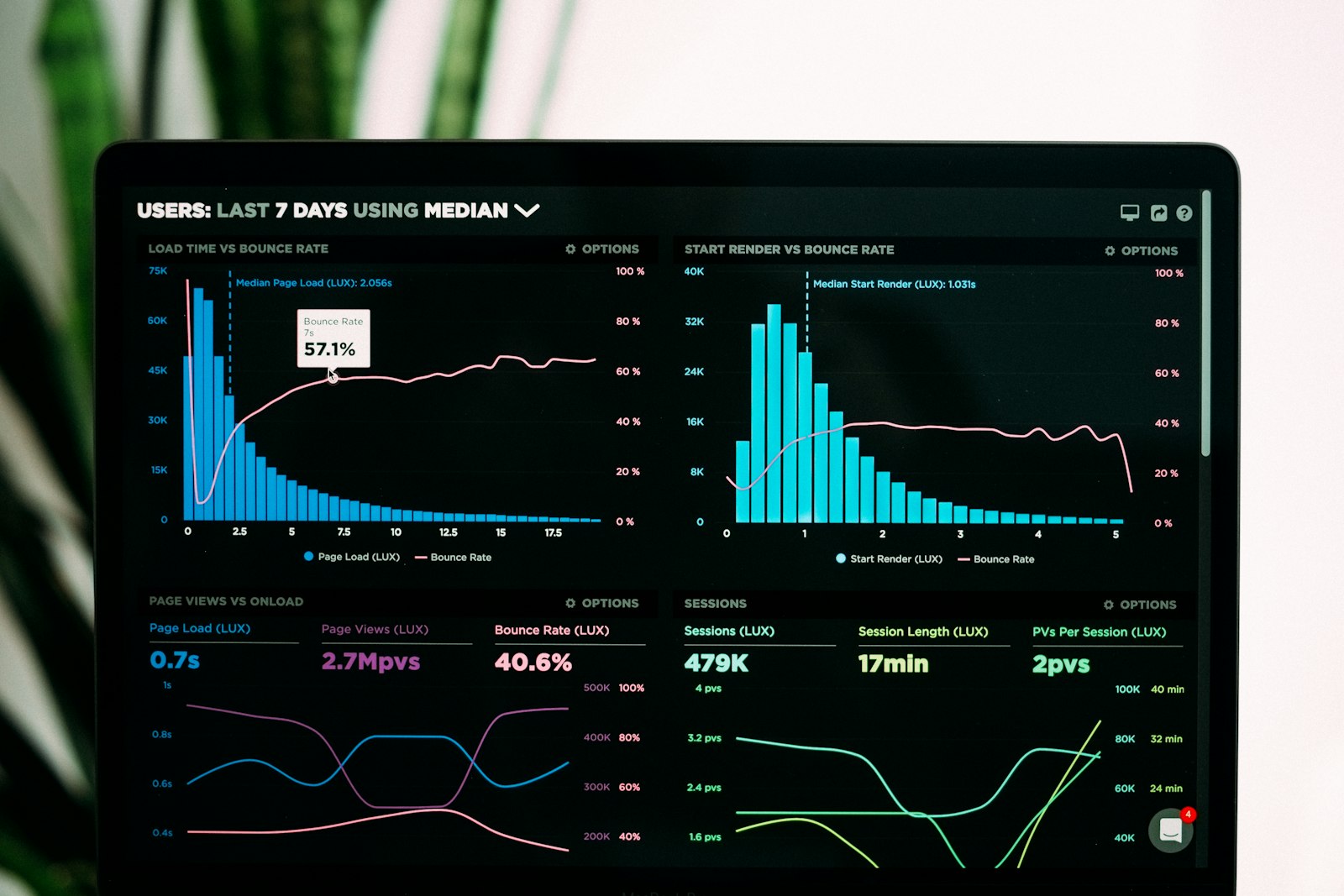
- Referring domains: the number of unique websites linking to you
- Link quality: whether the linking sites are relevant and trusted
- Organic traffic: growth in visitors from Google over time
- Keyword rankings: movement for your main service keywords
Google Search Console shows your top linking sites for free. For deeper analysis, tools like Ahrefs or Semrush can track new and lost links. Check your progress once a month, because link building usually takes three to six months to show clear results.
Meanwhile, keep a simple spreadsheet of every outreach email you send. Note the website, the contact person, the date and the result. Over time, this log shows you which strategies bring the best links for the least effort.
Pair Links With Strong Content and Trust Signals
Of course, links work best when the page they point to deserves to rank. That is why you should combine link building with helpful content and clear trust signals. Our E-E-A-T guide for Malaysian businesses shows you how to build that trust step by step.
Conclusion: Start Small, Stay Consistent
Link building is not about getting hundreds of links overnight. Instead, it is about earning a steady flow of relevant, trusted links month after month.
Start with the easy wins: unlinked mentions, partners and association directories. After that, move on to linkable assets and digital PR. Above all, avoid shortcuts that break Google’s rules.
Want to know where your website stands right now? Get a free SEO audit from Creative Site and we will review your backlink profile, content and technical health. You can also explore our SEO services in Malaysia or see real results in our SEO case studies.
Frequently Asked Questions
What is link building in SEO?
Link building is the process of earning links from other websites to your own pages. Google uses these links as one signal of trust and authority, so good links can help your pages rank higher.
How long does link building take to work?
Most businesses see clear results within three to six months. However, the timeline depends on your industry, your competitors and the quality of the links you earn.
Is buying backlinks safe in Malaysia?
No. Buying links that pass ranking credit breaks Google’s spam policies, no matter where you run your business. Instead, mark any paid link with rel=”sponsored” or rel=”nofollow”.
How many backlinks do I need to rank on Google?
There is no fixed number. Instead, it depends on how many quality links your competitors have. Focus on relevance and quality rather than chasing a target number.
Can I do link building myself?
Yes. Strategies like claiming unlinked mentions, joining associations and asking partners for links are easy to start. However, digital PR and linkable assets often work better with an experienced SEO team.